E-Numbers: Halal or haram?
Food additives explained in plain English — what each one is, why it has the status it has, and which foods it turns up in.
Tap any row for the full explanation.
| E-number | Name | Status |
|---|---|---|
| E100 | Curcumin | No concern |
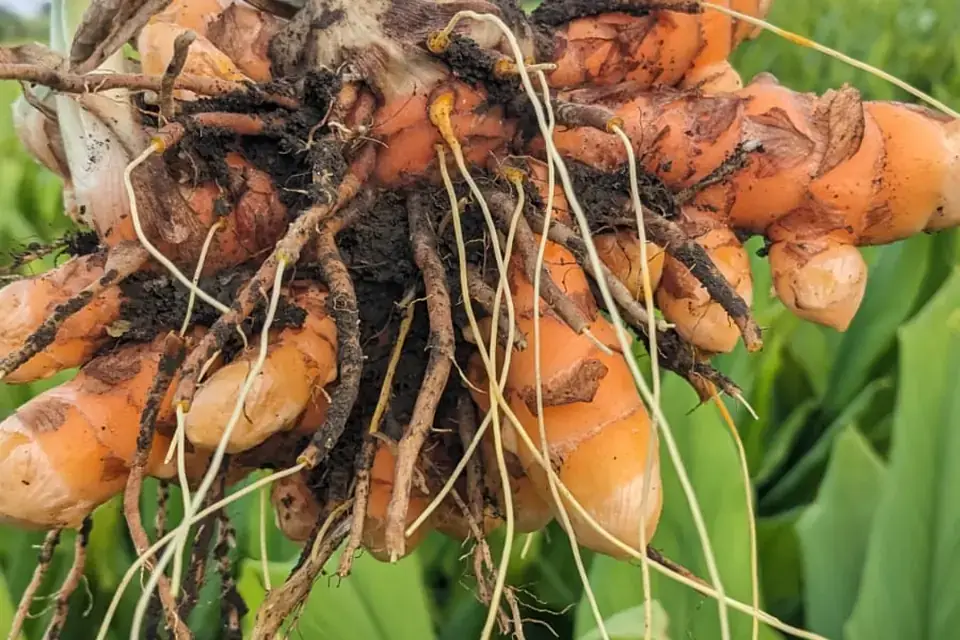 E100 — Curcumin What it is. The yellow colour from turmeric root. What it means. A yellow colour from turmeric root — plant-based, no concern. Where you meet it. Curries, mustard, snack seasoning, rice dishes. | ||
| E101 | Riboflavin (vitamin B2) | No concern |
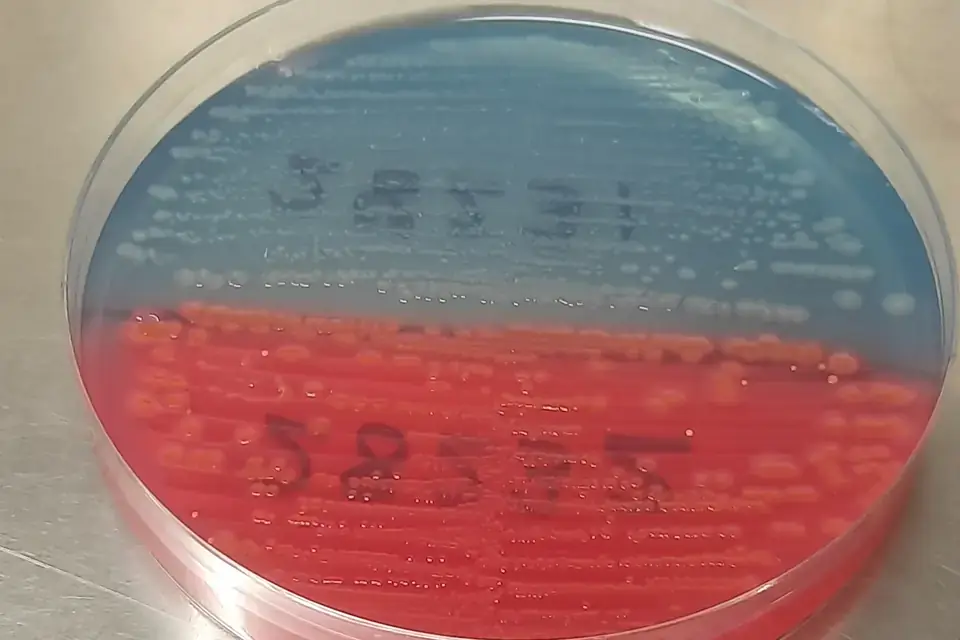 E101 — Riboflavin (vitamin B2) What it is. Vitamin B2, which doubles as a yellow-orange colour. What it means. Vitamin B2, usually made by fermentation or in a lab. No animal source is involved, so it raises no concern. Where you meet it. Breakfast cereals, sauces, dairy desserts, vitamin drinks. | ||
| E120 | Carmine (cochineal) | Not Halal |
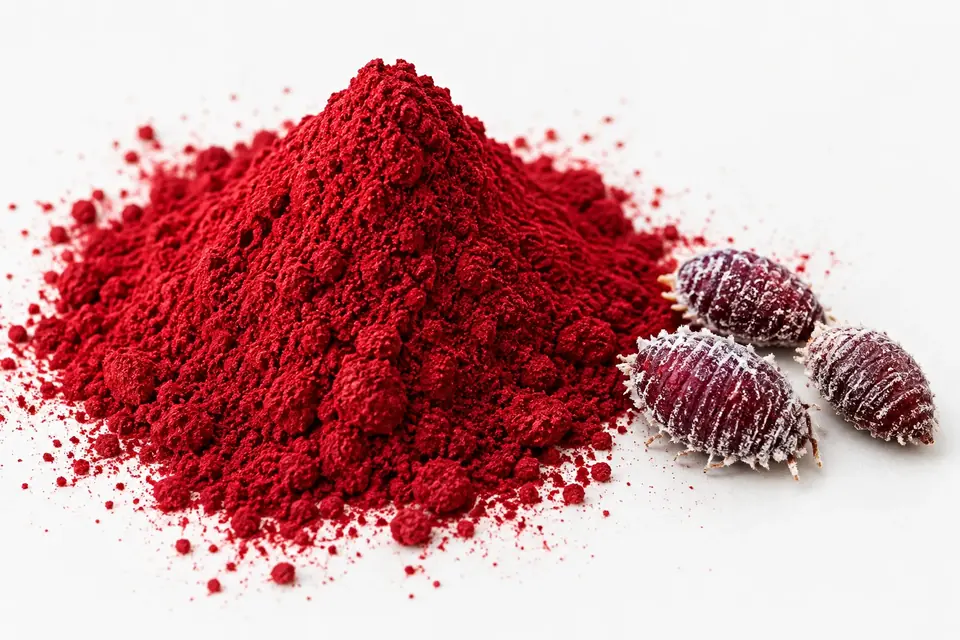 E120 — Carmine (cochineal) What it is. A red colour made from dried cochineal insects. What it means. A red colour made from crushed cochineal insects. Helal Scan treats it as not Halal:
Where you meet it. Strawberry yoghurts, sweets, red sauces and drinks. | ||
| E131 | Patent Blue V | No concern |
 E131 — Patent Blue V What it is. A deep blue colour made in a laboratory. What it means. A synthetic colour. No animal source is involved. Where you meet it. Sweets, icing, liqueur-style drinks, decorative gels. | ||
| E132 | Indigotine (indigo carmine) | No concern |
E132 — Indigotine (indigo carmine) What it is. A synthetic blue colour. What it means. A synthetic blue colour. Despite the name it is not related to carmine (E120) and no insect is involved. Where you meet it. Ice cream, sweets, biscuits, drinks. | ||
| E133 | Brilliant Blue FCF | No concern |
E133 — Brilliant Blue FCF What it is. The bright blue used in sweets and drinks. What it means. A synthetic colour. No animal source is involved. Where you meet it. Sweets, sports drinks, icing, frozen desserts. | ||
| E140 | Chlorophyll | No concern |
 E140 — Chlorophyll What it is. The green pigment plants use to catch sunlight. What it means. The green colour from plants — no concern. Where you meet it. Chewing gum, ice cream, sauces, dairy desserts. | ||
| E141 | Copper complexes of chlorophylls | No concern |
E141 — Copper complexes of chlorophylls What it is. Plant chlorophyll bound to copper so the green survives heat and light. What it means. A green colour from plant chlorophyll. Where you meet it. Tinned vegetables, sauces, sweets, dairy desserts. | ||
| E150 | Caramel colour | No concern |
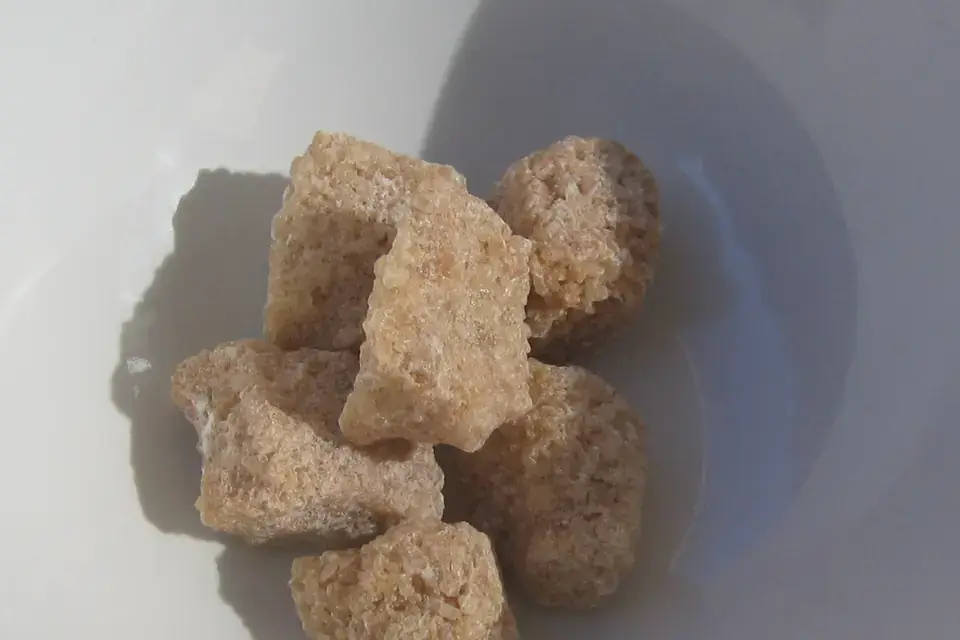 E150 — Caramel colour What it is. The brown colour made by heating sugar until it darkens. What it means. A colour made by heating sugars. No animal source is involved. Where you meet it. Cola, soy sauce, gravy, bread, beer-style drinks. | ||
| E150a | Plain caramel | No concern |
E150a — Plain caramel What it is. Caramel colour made with heat alone, no other reagent. What it means. A colour made by heating sugars. No animal source is involved. Where you meet it. Whisky-style flavourings, bread, sauces, confectionery. | ||
| E150b | Caustic sulphite caramel | No concern |
E150b — Caustic sulphite caramel What it is. Caramel colour produced with a sulphite present. What it means. The starting material is still sugar; the sulphite is a processing aid and not animal-derived. Where you meet it. Spirits-style drinks, vinegars, sauces. | ||
| E150c | Ammonia caramel | No concern |
E150c — Ammonia caramel What it is. Caramel colour produced with ammonia present. What it means. A colour made by heating sugars. No animal source is involved. Where you meet it. Beer-style drinks, sauces, baked goods, pet food. | ||
| E150d | Sulphite ammonia caramel | No concern |
E150d — Sulphite ammonia caramel What it is. The caramel class used to colour cola. What it means. A colour made by heating sugars. No animal source is involved. Where you meet it. Cola and other dark soft drinks, sauces. | ||
| E153 | Vegetable carbon | No concern |
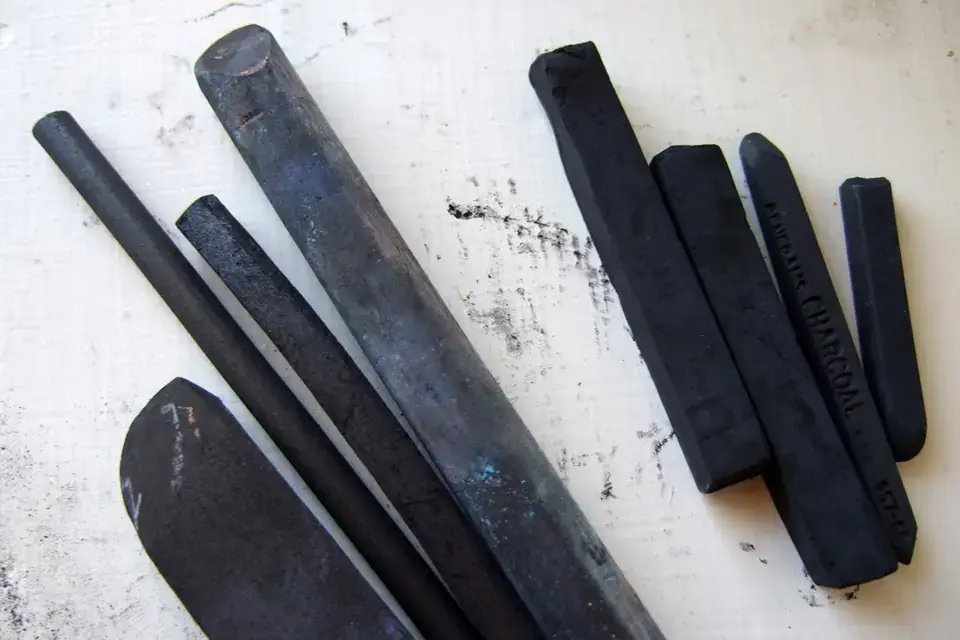 E153 — Vegetable carbon What it is. A dense black colour made by charring plant material. What it means. Black colour made from charred plant material — fine. (Different from bone char, which comes from animals.) Where you meet it. Black sweets, novelty bakery, cheese rinds. | ||
| E160a | Carotenes | Doubtful |
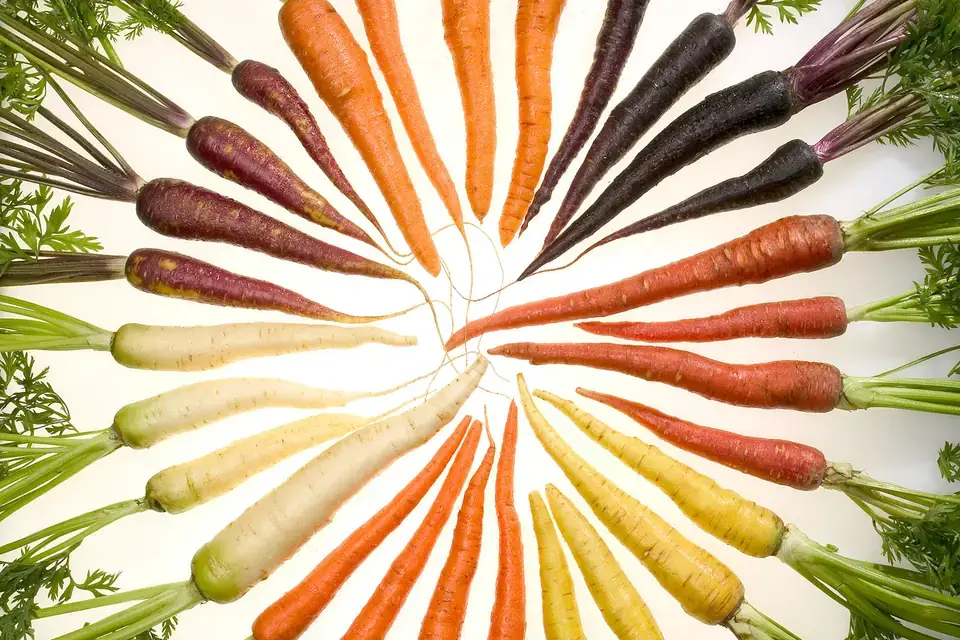 E160a — Carotenes What it is. An orange-yellow colour, in itself plant-based. What it means. The colour itself is plant-based. The question is the carrier it is encased in, which can be:
The label does not name the carrier, so it needs confirming. Where you meet it. Margarine, cheese, juices, soft drinks. | ||
| E160c | Paprika extract (capsanthin) | Doubtful |
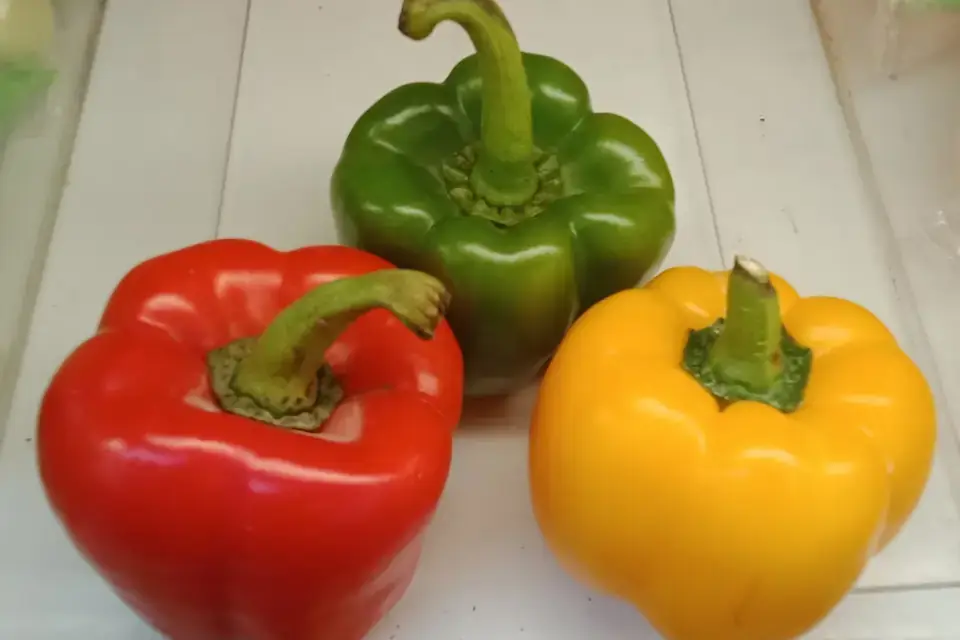 E160c — Paprika extract (capsanthin) What it is. The warm red-orange colour pressed out of sweet peppers. What it means. The colour itself is from paprika. The question is the carrier it is dissolved in, which can be:
The label does not name the carrier, so it needs confirming. Where you meet it. Sausages, snack seasoning, cheese coatings, sauces and marinades. | ||
| E160e | Beta-apo-8'-carotenal | Doubtful |
E160e — Beta-apo-8'-carotenal What it is. An orange colour built in a laboratory rather than taken from a plant. What it means. The colour itself is synthetic. The question is the carrier it is dissolved in, which can be:
The label does not name the carrier, so it needs confirming. Where you meet it. Soft drinks, dairy desserts, cheese rinds, sauces. | ||
| E161b | Lutein | No concern |
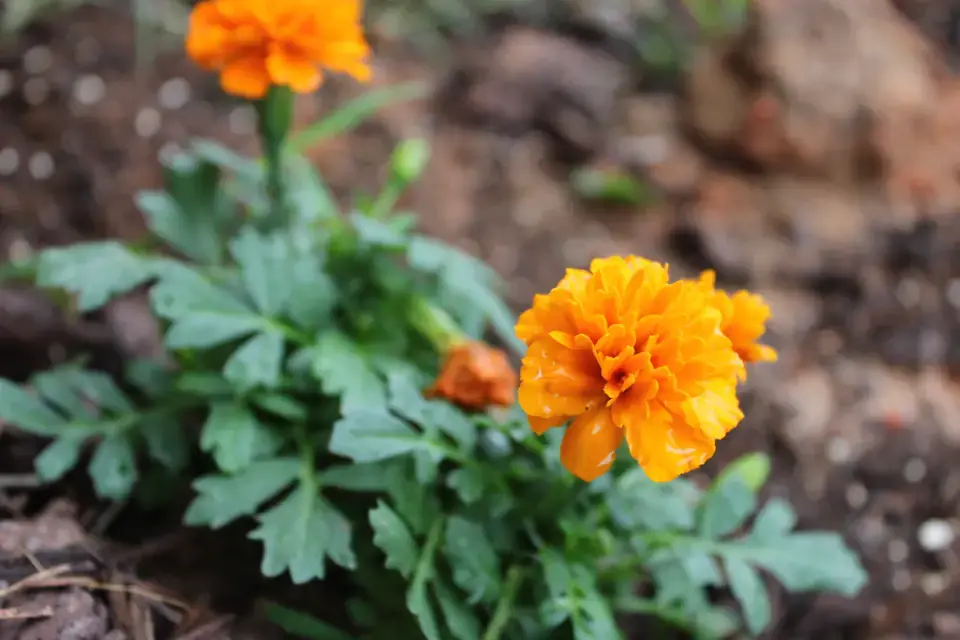 E161b — Lutein What it is. A yellow colour extracted from marigold petals. What it means. A yellow colour from marigold flowers — plant-based. Where you meet it. Drinks, dairy desserts, sauces, supplements. | ||
| E161g | Canthaxanthin | Doubtful |
E161g — Canthaxanthin What it is. An orange-red colour. What it means. The colour itself is fine; the question is the carrier it is dissolved in, which can be gelatine and is not declared. Where you meet it. Sausage casings, some drinks, fish feed. | ||
| E162 | Beetroot red (betanin) | No concern |
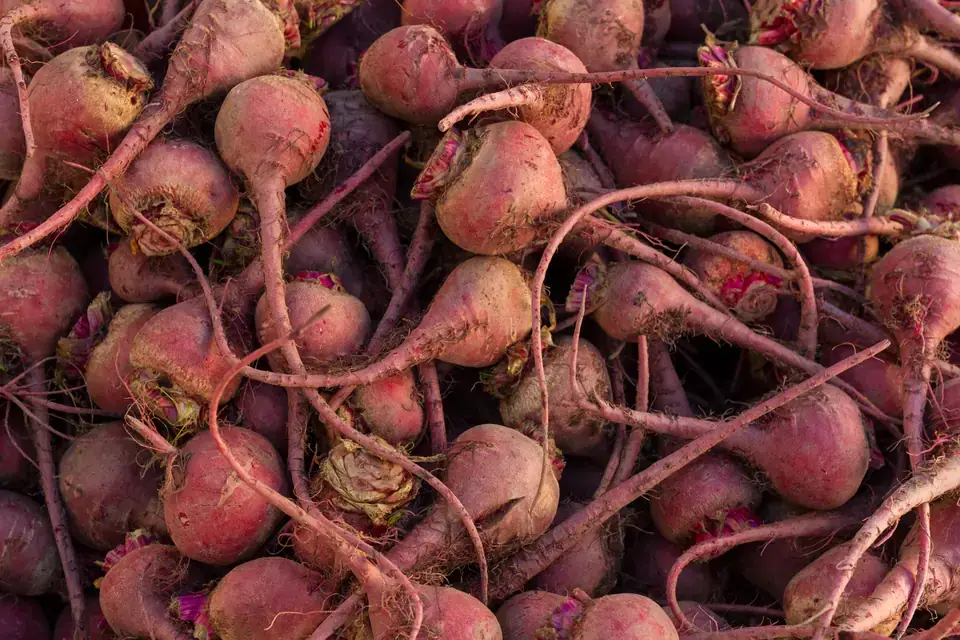 E162 — Beetroot red (betanin) What it is. The deep pink-red pressed from beetroot. What it means. A red colour from beetroot. Where you meet it. Yoghurts, ice cream, sweets, soups. | ||
| E163 | Anthocyanins | No concern |
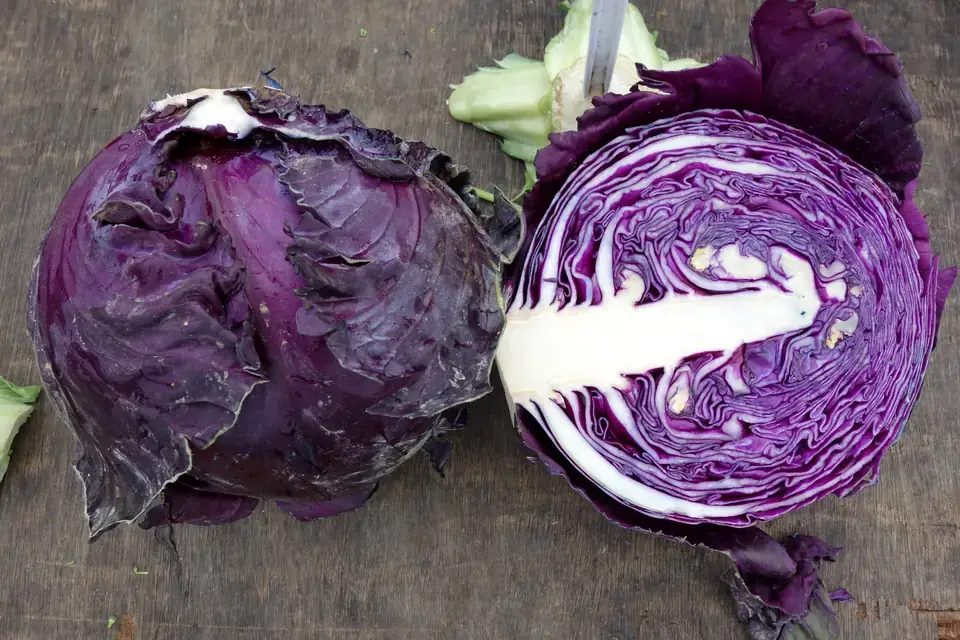 E163 — Anthocyanins What it is. The purple and red colours of grapes, berries and red cabbage. What it means. Purple and red colours from plants like grapes and berries — fine. Where you meet it. Soft drinks, jams, sweets, yoghurts. | ||
| E170 | Calcium carbonate | No concern |
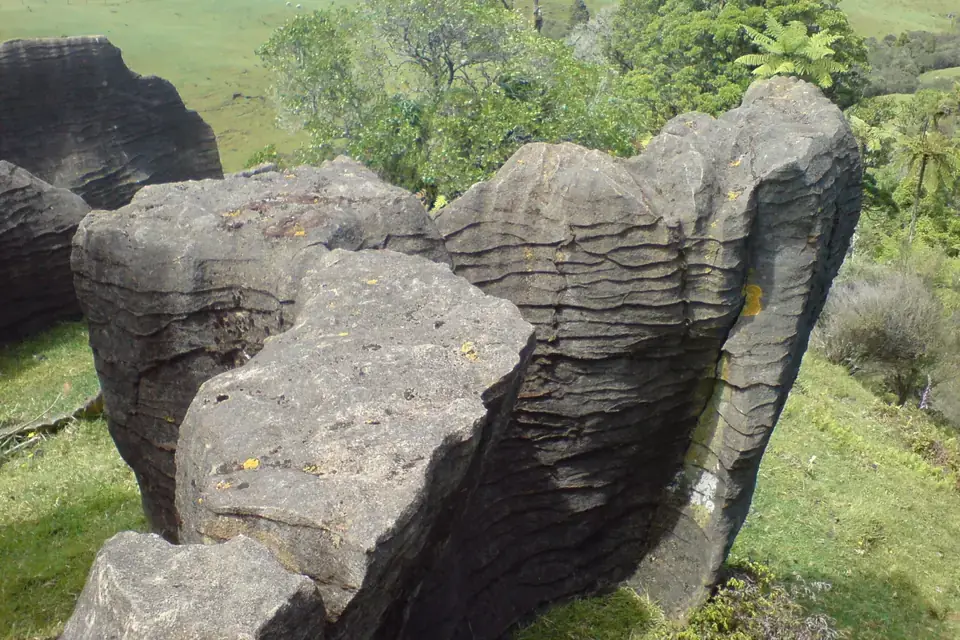 E170 — Calcium carbonate What it is. Chalk, used as a white colour, a firming agent and a calcium source. What it means. A mineral (basically chalk) — no concern. Where you meet it. Bread, plant drinks, supplements, sweets. | ||
| E171 | Titanium dioxide | No concern |
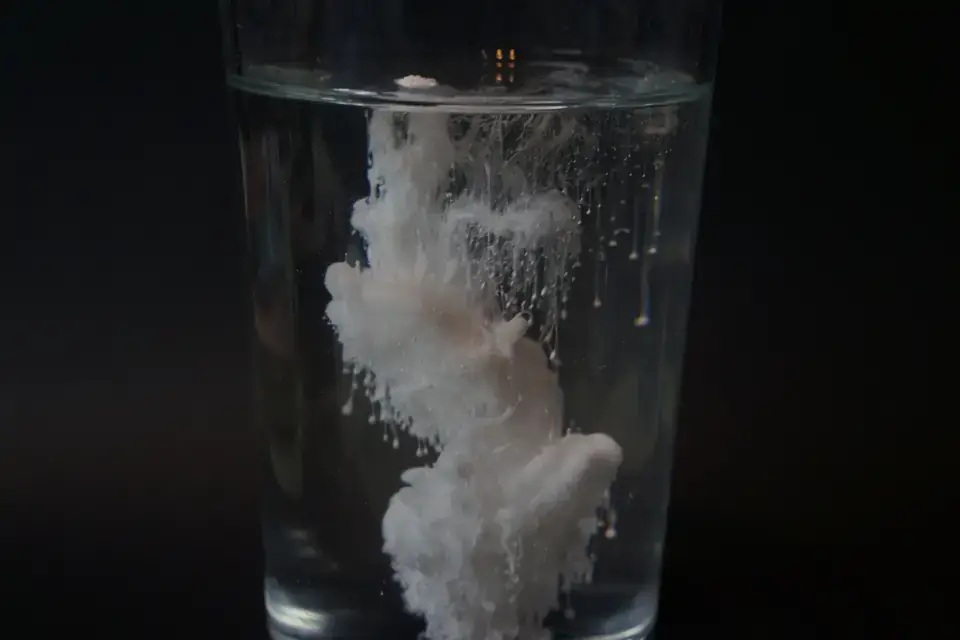 E171 — Titanium dioxide What it is. A bright mineral white. What it means. A mineral white colour. No animal source is involved. (No longer permitted in food in the EU.) Where you meet it. Historically: icing, chewing gum, sauces. Still used in medicines and cosmetics. | ||
| E172 | Iron oxides and hydroxides | No concern |
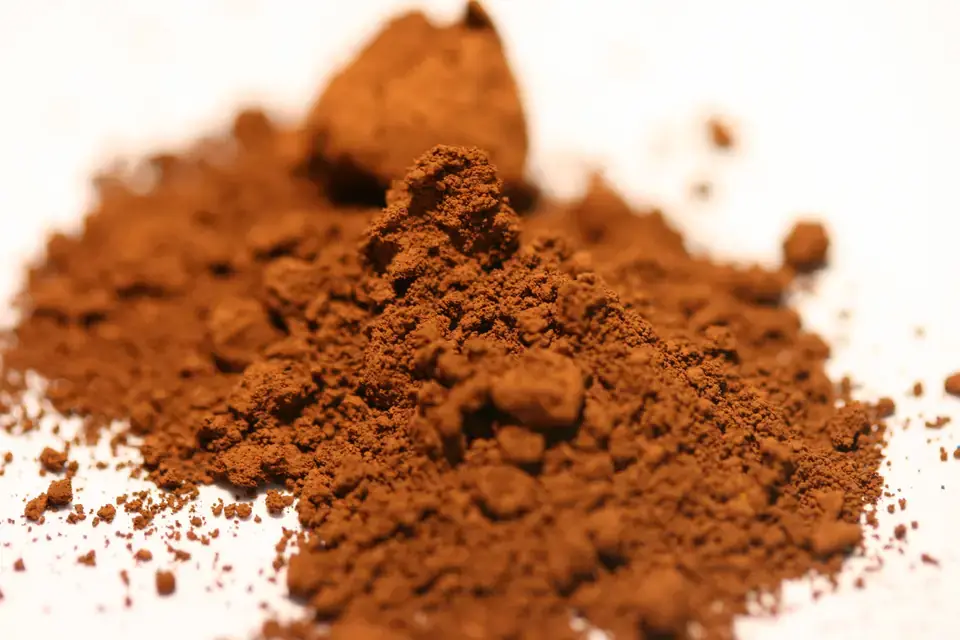 E172 — Iron oxides and hydroxides What it is. Mineral pigments in yellow, red, brown and black. What it means. Mineral pigments. No animal source is involved. Where you meet it. Cake decoration, sweets, coated tablets. | ||
| E200 | Sorbic acid | No concern |
E200 — Sorbic acid What it is. A preservative that holds back mould and yeast. What it means. A synthetic preservative. No animal source is involved. Where you meet it. Cheese, bread, dried fruit, soft drinks. | ||
| E202 | Potassium sorbate | No concern |
E202 — Potassium sorbate What it is. A preservative that stops mould and yeast. What it means. A synthetic preservative. No animal source is involved. Where you meet it. Cheese, dried fruit, soft drinks, bakery. | ||
| E210 | Benzoic acid | No concern |
E210 — Benzoic acid What it is. A preservative for acidic foods and drinks. What it means. It is made in a laboratory from petrochemical feedstock, with no animal input. Where you meet it. Soft drinks, pickles, sauces, fruit preparations. | ||
| E211 | Sodium benzoate | No concern |
E211 — Sodium benzoate What it is. The sodium salt of benzoic acid, the common form in drinks. What it means. A synthetic preservative made from benzoic acid. No animal source is involved in how it is produced. Where you meet it. Fizzy drinks, salad dressings, jams, sauces. | ||
| E212 | Potassium benzoate | No concern |
E212 — Potassium benzoate What it is. The potassium version of the same preservative. What it means. Made synthetically: benzoic acid from petrochemistry with a mineral potassium salt. No animal input. Where you meet it. Soft drinks, syrups, pickles. | ||
| E213 | Calcium benzoate | No concern |
E213 — Calcium benzoate What it is. The calcium form of benzoate. What it means. Made synthetically: benzoic acid from petrochemistry with mineral calcium. No animal input. Where you meet it. Drinks, sauces, preserved vegetables. | ||
| E220 | Sulphur dioxide | No concern |
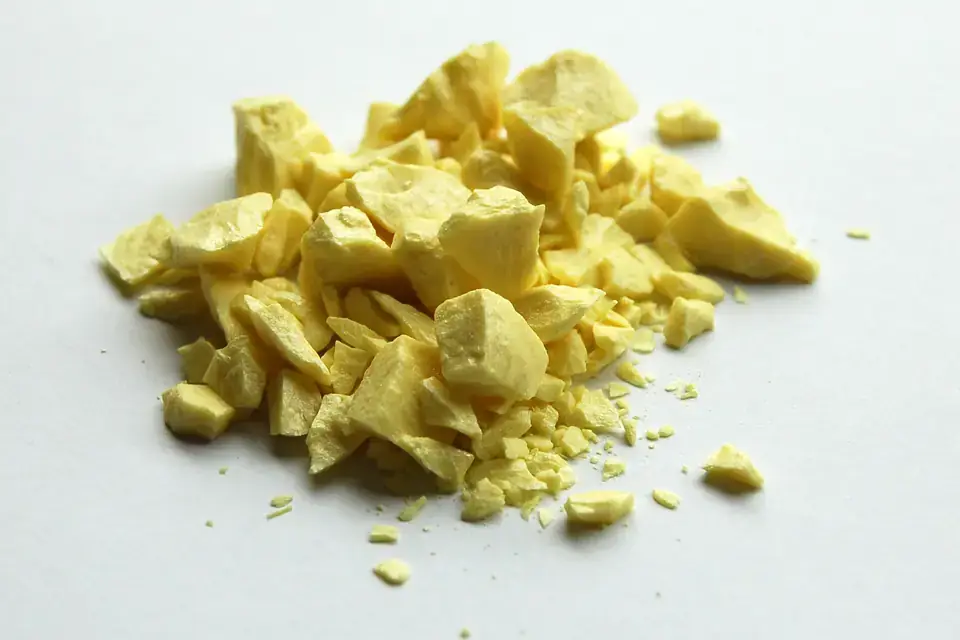 E220 — Sulphur dioxide What it is. A preservative gas that stops browning and fermentation. What it means. A mineral gas made from sulphur. No animal source. Where you meet it. Dried fruit, fruit juices, pickles, potato products. | ||
| E221 | Sodium sulphite | No concern |
E221 — Sodium sulphite What it is. A sulphite salt used to preserve colour and freshness. What it means. Made from mineral sulphur compounds and a sodium salt. Where you meet it. Dried fruit, processed potato, fruit juice. | ||
| E222 | Sodium hydrogen sulphite | No concern |
E222 — Sodium hydrogen sulphite What it is. A sulphite preservative in liquid form. What it means. Made from mineral sulphur compounds. No animal source. Where you meet it. Fruit preparations, juices, wine-style drinks. | ||
| E223 | Sodium metabisulphite | No concern |
E223 — Sodium metabisulphite What it is. The powdered sulphite used widely in food processing. What it means. Produced from mineral sulphur dioxide and a sodium salt. Where you meet it. Dried fruit, shellfish, pickles, baking. | ||
| E224 | Potassium metabisulphite | No concern |
E224 — Potassium metabisulphite What it is. The potassium counterpart, common in drinks production. What it means. Made from mineral sulphur compounds and a potassium salt. No animal source. Where you meet it. Juices, dried fruit, wine-style drinks. | ||
| E226 | Calcium sulphite | No concern |
E226 — Calcium sulphite What it is. A sulphite that also firms plant tissue. What it means. Mineral sulphur with mineral calcium. Where you meet it. Tinned vegetables, fruit preparations. | ||
| E227 | Calcium hydrogen sulphite | No concern |
E227 — Calcium hydrogen sulphite What it is. A sulphite used in brewing and vegetable processing. What it means. Mineral in origin. Where you meet it. Tinned vegetables, beer-style drinks. | ||
| E228 | Potassium hydrogen sulphite | No concern |
E228 — Potassium hydrogen sulphite What it is. The last of the sulphite series. What it means. Made from mineral sulphur compounds and a potassium salt. No animal source. Where you meet it. Fruit products, drinks. | ||
| E250 | Sodium nitrite | No concern |
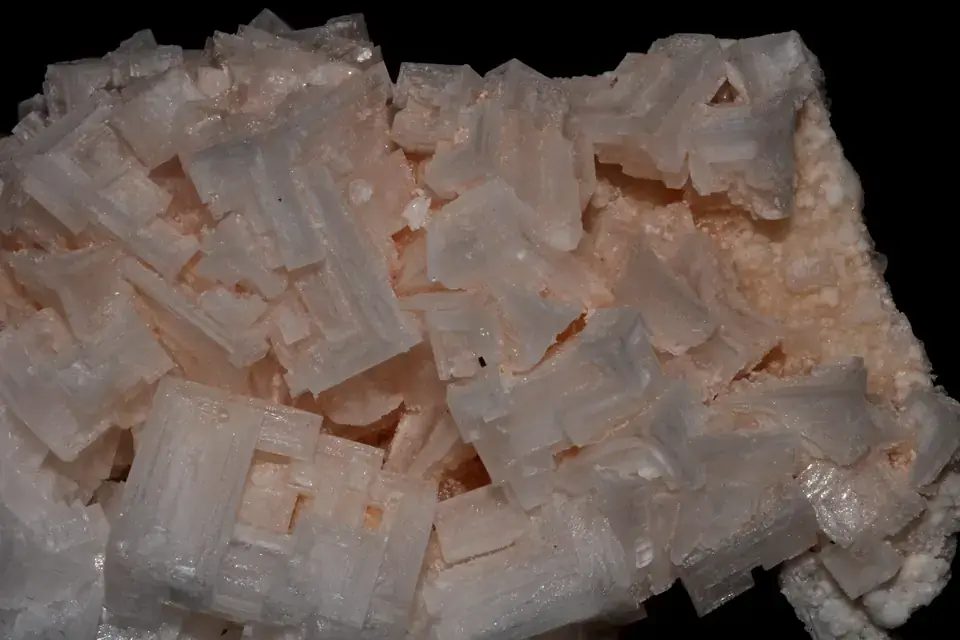 E250 — Sodium nitrite What it is. The curing salt that keeps cured meat pink and safe. What it means. A synthetic curing salt. The additive itself raises no concern; the meat it cures is judged separately. Where you meet it. Ham, salami, sausages, cured poultry. | ||
| E251 | Sodium nitrate | No concern |
E251 — Sodium nitrate What it is. A curing salt that releases its effect slowly. What it means. Mined as mineral nitrate or made synthetically. As with E250, the meat is a separate question. Where you meet it. Dry-cured meat, some cheeses. | ||
| E252 | Potassium nitrate | No concern |
E252 — Potassium nitrate What it is. Saltpetre, the traditional curing salt. What it means. A mineral curing salt. The additive itself raises no concern; the meat it cures is judged separately. Where you meet it. Dry-cured meat, hard cheese. | ||
| E260 | Acetic acid | No concern |
E260 — Acetic acid What it is. The acid in vinegar, used to sharpen and preserve. What it means. Vinegar acid, distilled or lab-made — fine. Where you meet it. Pickles, sauces, bread, packaged salads. | ||
| E262 | Sodium acetate | No concern |
E262 — Sodium acetate What it is. The salt of vinegar acid, used to preserve and to give a salt-and-vinegar tang. What it means. A synthetic salt of acetic acid. No animal source is involved. Where you meet it. Crisps, bread, sauces, packaged meat. | ||
| E270 | Lactic acid | No concern |
E270 — Lactic acid What it is. A mild sour acid, despite a name that suggests milk. What it means. A sour acid, usually made by fermenting plant sugars (occasionally from dairy) — fine either way. Where you meet it. Bread, pickles, drinks, sweets, dressings. | ||
| E282 | Calcium propionate | No concern |
E282 — Calcium propionate What it is. The mould inhibitor that keeps packaged bread fresh. What it means. A synthetic preservative used in bread. No animal source is involved. Where you meet it. Sliced bread, rolls, tortillas, baked goods. | ||
| E296 | Malic acid | No concern |
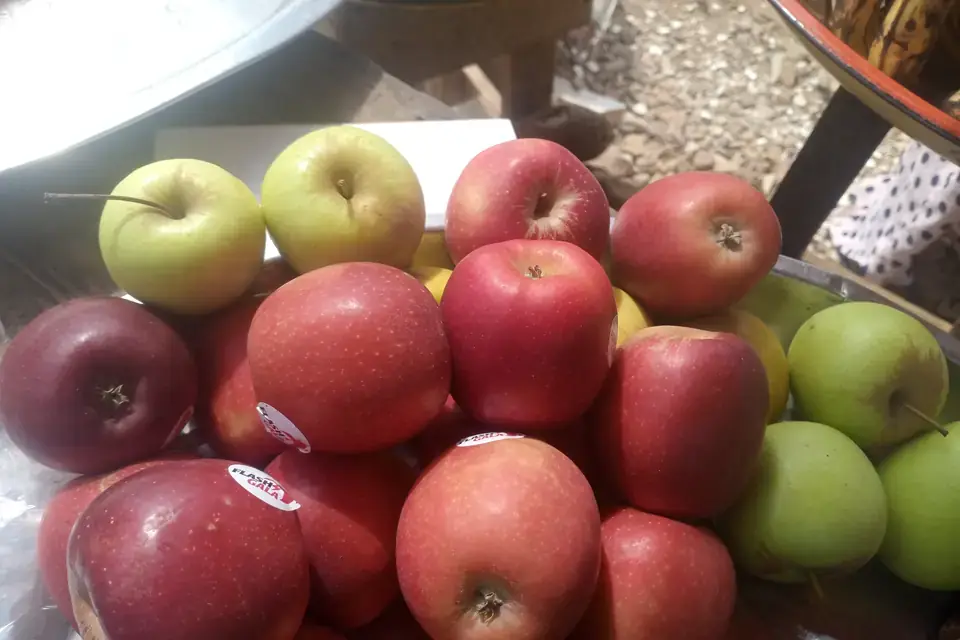 E296 — Malic acid What it is. A sour-tasting acid, naturally found in apples. What it means. An acid found in fruit, usually made synthetically. No animal source is involved. Where you meet it. Sweets, fruit drinks, sherbet. | ||
| E297 | Fumaric acid | No concern |
E297 — Fumaric acid What it is. A sharp acid used where a dry, long-lasting sourness is wanted. What it means. It is made synthetically. Where you meet it. Baking mixes, sweets, powdered drinks, fillings. | ||
| E300 | Ascorbic acid (vitamin C) | No concern |
E300 — Ascorbic acid (vitamin C) What it is. Vitamin C, used as an antioxidant. What it means. Vitamin C, made synthetically or by fermentation. No animal source is involved. Where you meet it. Juices, cereals, cured meat, bakery. | ||
| E301 | Sodium ascorbate | No concern |
E301 — Sodium ascorbate What it is. The sodium salt of vitamin C, used to stop food browning. What it means. The sodium salt of vitamin C. No animal source is involved. Where you meet it. Cured meat, juices, bread, tinned fruit. | ||
| E302 | Calcium ascorbate | No concern |
E302 — Calcium ascorbate What it is. Vitamin C paired with calcium. What it means. Vitamin C made by fermenting plant sugars, paired with mineral calcium. No animal source. Where you meet it. Juices, fruit preparations, supplements. | ||
| E304 | Ascorbyl palmitate | Doubtful |
 E304 — Ascorbyl palmitate What it is. Vitamin C joined to a fatty acid so it dissolves in fat. What it means. A fat-soluble form of vitamin C. The vitamin C part is fine; the palmitic acid it is joined to can be plant or animal, and the label does not say which. It stays uncertain until the source is known. Where you meet it. Oils, infant formula, savoury snacks. | ||
| E306 | Tocopherol-rich extract | No concern |
 E306 — Tocopherol-rich extract What it is. Natural vitamin E, used to stop fats going rancid. What it means. Natural vitamin E, extracted from plant oils. Where you meet it. Oils, margarine, snacks, baby food. | ||
| E307 | Alpha-tocopherol | No concern |
E307 — Alpha-tocopherol What it is. A single form of vitamin E, isolated or synthesised. What it means. Both routes are non-animal: plant oil or laboratory synthesis. Where you meet it. Oils, spreads, cereals, supplements. | ||
| E308 | Gamma-tocopherol | No concern |
E308 — Gamma-tocopherol What it is. Another vitamin E form used as an antioxidant. What it means. Made from plant oil or synthesised in a laboratory. No animal source. Where you meet it. Oils, snacks, processed food. | ||
| E309 | Delta-tocopherol | No concern |
E309 — Delta-tocopherol What it is. The last of the tocopherol series. What it means. Made from plant oil or synthesised in a laboratory. No animal source. Where you meet it. Oils, fried snacks, spreads. | ||
| E316 | Sodium erythorbate | No concern |
E316 — Sodium erythorbate What it is. A cousin of vitamin C used to keep cured meat coloured. What it means. A synthetic antioxidant related to vitamin C. No animal source is involved. Where you meet it. Cured meat, sausages, tinned fruit. | ||
| E319 | TBHQ | No concern |
E319 — TBHQ What it is. A synthetic antioxidant for frying oils. What it means. A synthetic antioxidant. No animal source is involved. Where you meet it. Frying oil, instant noodles, fried snacks. | ||
| E320 | BHA | No concern |
E320 — BHA What it is. A synthetic antioxidant that protects fats. What it means. A synthetic antioxidant. No animal source is involved. Where you meet it. Fats, snacks, chewing gum, cereals. | ||
| E321 | BHT | No concern |
E321 — BHT What it is. The other common synthetic fat antioxidant. What it means. A synthetic antioxidant. No animal source is involved. Where you meet it. Fats and oils, cereals, snacks, chewing gum. | ||
| E322 | Lecithin | No concern |
E322 — Lecithin What it is. An emulsifier that keeps mixtures smooth. What it means. An emulsifier, almost always from soy or sunflower (egg lecithin is also fine). Rarely a concern. Where you meet it. Chocolate, margarine, baked goods, instant powders. | ||
| E325 | Sodium lactate | No concern |
E325 — Sodium lactate What it is. The sodium salt of lactic acid, used to preserve and hold moisture. What it means. The sodium salt of lactic acid, which is produced by fermenting sugars (see E270). Where you meet it. Packaged meat, bread, sauces, cosmetics. | ||
| E326 | Potassium lactate | No concern |
E326 — Potassium lactate What it is. A lactate salt used to extend shelf life. What it means. Made from fermented plant sugars and a mineral potassium salt. No animal source. Where you meet it. Packaged meat, poultry, ready meals. | ||
| E327 | Calcium lactate | No concern |
E327 — Calcium lactate What it is. A lactate that also firms fruit and vegetables. What it means. Fermented plant sugars plus mineral calcium. Where you meet it. Tinned fruit, cheese, supplements, plant drinks. | ||
| E330 | Citric acid | No concern |
E330 — Citric acid What it is. The sharp taste in citrus, used to adjust acidity. What it means. Produced by fermenting sugars. No animal source is involved. Where you meet it. Soft drinks, jams, tinned fruit, sweets. | ||
| E331 | Sodium citrates | No concern |
E331 — Sodium citrates What it is. Citrate salts that steady acidity and stop separation. What it means. Salts of citric acid, which is produced by fermenting sugars. No animal source is involved. Where you meet it. Soft drinks, processed cheese, jams, ice cream. | ||
| E332 | Potassium citrates | No concern |
E332 — Potassium citrates What it is. The potassium form of the citrates. What it means. Made from citric acid, which is produced by fermentation, with a mineral potassium salt. No animal source. Where you meet it. Drinks, dairy desserts, jams, supplements. | ||
| E333 | Calcium citrates | No concern |
E333 — Calcium citrates What it is. Citrates that also firm plant tissue and add calcium. What it means. Fermented citric acid with mineral calcium. Where you meet it. Plant drinks, tinned fruit, supplements. | ||
| E334 | Tartaric acid | Doubtful |
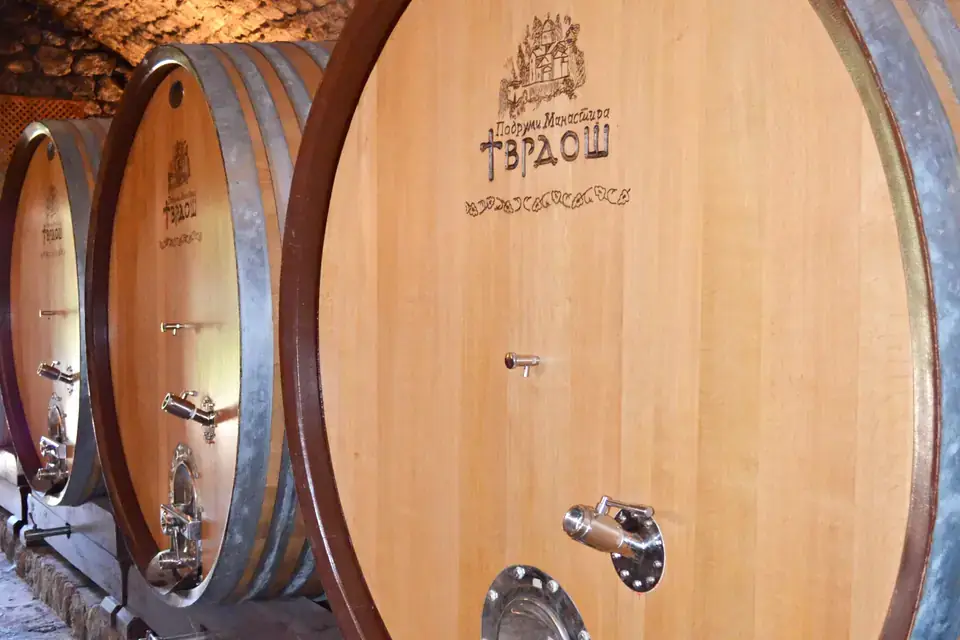 E334 — Tartaric acid What it is. A sharp fruit acid, best known from grapes. What it means. Most commercial tartaric acid is recovered from winemaking by-products. The possible sources are:
Scholars are split on the wine-sediment source: Hanafi and Maliki accept it as transformed, Shafi'i and Hanbali are more cautious. Where you meet it. Baking powder, boiled sweets, fizzy drinks, jams, wine gums. | ||
| E335 | Sodium tartrate | Doubtful |
E335 — Sodium tartrate What it is. The sodium salt of tartaric acid, used to steady acidity. What it means. E335 is a salt of tartaric acid (E334), so it carries the same question. The tartaric acid can come from:
Scholars are split on the wine-sediment source: Hanafi and Maliki accept it as transformed, Shafi'i and Hanbali are more cautious. Where you meet it. Baking mixes, jellies, processed cheese, sweets. | ||
| E336 | Potassium tartrate (cream of tartar) | Doubtful |
E336 — Potassium tartrate (cream of tartar) What it is. The white powder sold for stiffening egg whites and lightening cakes. What it means. E336 (cream of tartar) is a salt of tartaric acid (E334), so it carries the same question. The tartaric acid can come from:
Scholars are split on the wine-sediment source: Hanafi and Maliki accept it as transformed, Shafi'i and Hanbali are more cautious. Where you meet it. Baking powder, meringue, icing, sherbet. | ||
| E337 | Sodium potassium tartrate | Doubtful |
E337 — Sodium potassium tartrate What it is. A double salt of tartaric acid, used as a stabiliser. What it means. E337 is a salt of tartaric acid (E334), so it carries the same question. The tartaric acid can come from:
Scholars are split on the wine-sediment source: Hanafi and Maliki accept it as transformed, Shafi'i and Hanbali are more cautious. Where you meet it. Processed cheese, jellies, baking mixes, sweets. | ||
| E338 | Phosphoric acid | No concern |
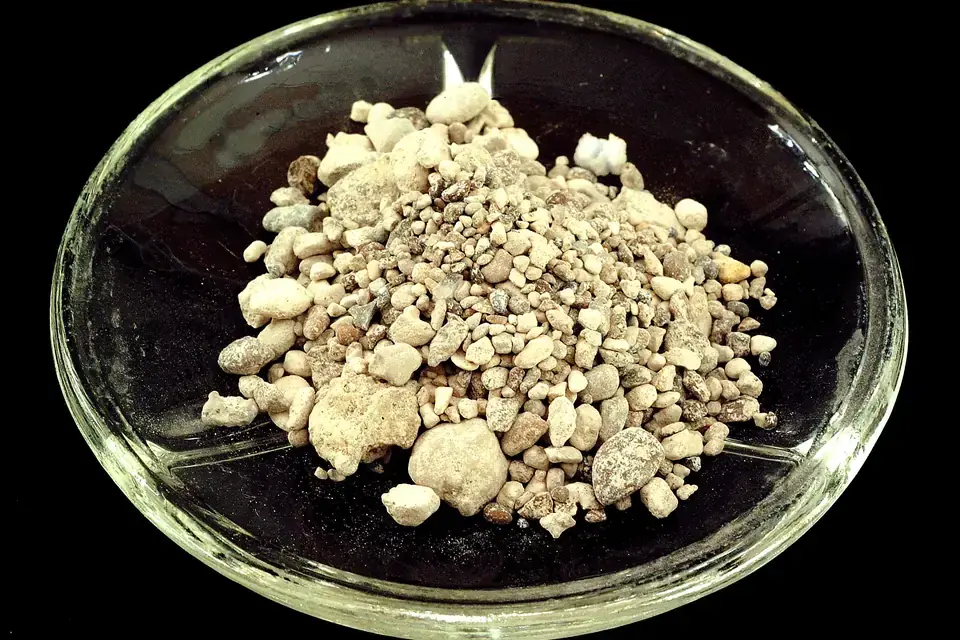 E338 — Phosphoric acid What it is. The sharp acid that gives cola its bite. What it means. A mineral-based phosphate. Bone-derived phosphate exists and is treated separately under E542, which needs its source confirmed. Where you meet it. Cola, processed cheese, baking powder. | ||
| E339 | Sodium phosphates | No concern |
E339 — Sodium phosphates What it is. Phosphate salts that regulate acidity and bind water. What it means. A mineral-based phosphate. Bone-derived phosphate exists and is treated separately under E542, which needs its source confirmed. Where you meet it. Processed cheese, powdered drinks, baked goods. | ||
| E340 | Potassium phosphates | No concern |
E340 — Potassium phosphates What it is. The potassium versions of the same salts. What it means. A mineral-based phosphate. Bone-derived phosphate exists and is treated separately under E542, which needs its source confirmed. Where you meet it. Coffee whiteners, sports drinks, processed cheese. | ||
| E341 | Calcium phosphates | No concern |
E341 — Calcium phosphates What it is. Phosphates that raise dough and add calcium. What it means. A mineral-based phosphate. Bone-derived phosphate exists and is treated separately under E542, which needs its source confirmed. Where you meet it. Baking powder, plant drinks, cereals, supplements. | ||
| E343 | Magnesium phosphates | No concern |
E343 — Magnesium phosphates What it is. Phosphates that also keep powders free-flowing. What it means. Mineral throughout. Where you meet it. Powdered mixes, supplements, processed cheese. | ||
| E392 | Rosemary extract | No concern |
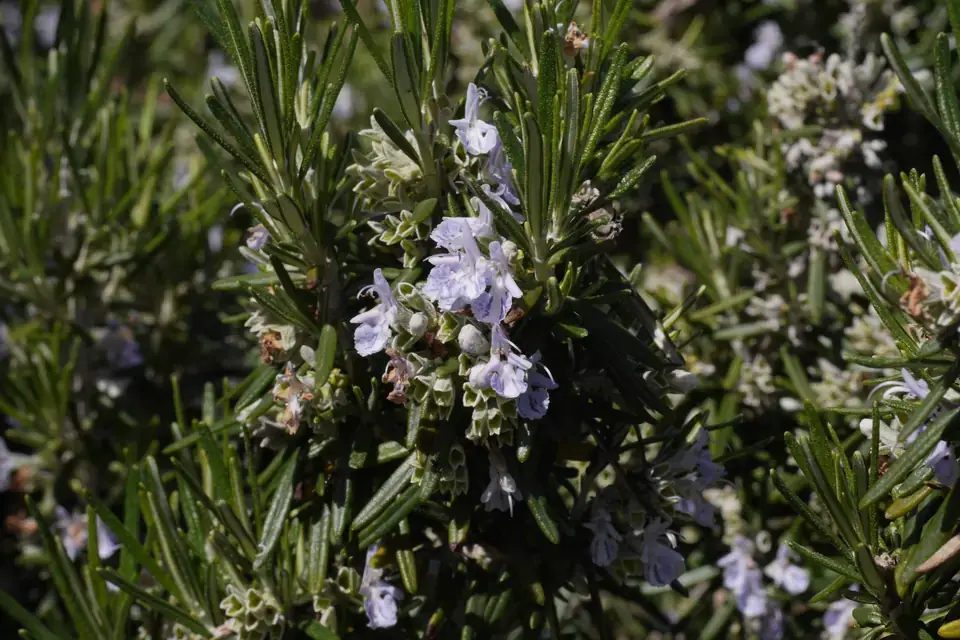 E392 — Rosemary extract What it is. A natural antioxidant that stops fat going rancid. What it means. It is a plant extract. Where you meet it. Oils, snacks, meat products. | ||
| E400 | Alginic acid | No concern |
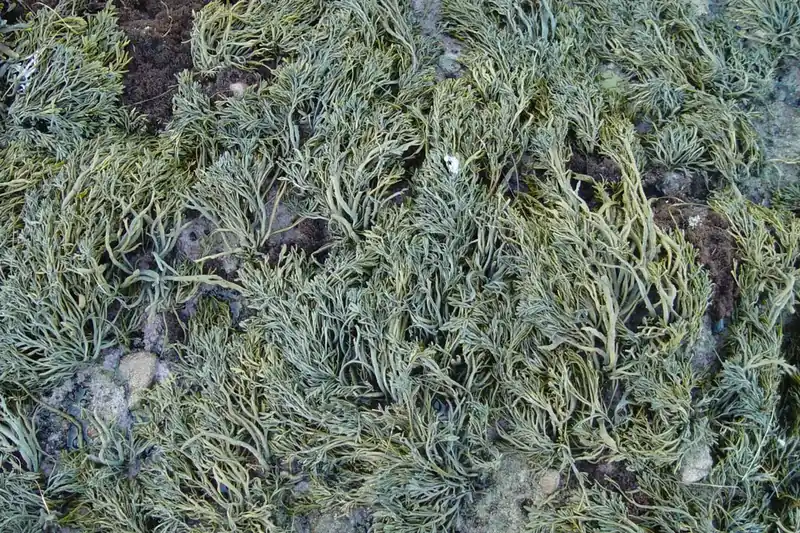 E400 — Alginic acid What it is. A thickener extracted from brown seaweed. What it means. Seaweed is a plant source, so no animal question arises. Where you meet it. Ice cream, sauces, dessert gels, jellies. | ||
| E401 | Sodium alginate | No concern |
E401 — Sodium alginate What it is. The most used seaweed thickener. What it means. A thickener from seaweed. Where you meet it. Ice cream, reformed fruit pieces, sauces, dressings. | ||
| E402 | Potassium alginate | No concern |
E402 — Potassium alginate What it is. The potassium form of the alginates. What it means. Made from brown seaweed with a potassium salt. No animal source. Where you meet it. Desserts, sauces, dairy products. | ||
| E403 | Ammonium alginate | No concern |
E403 — Ammonium alginate What it is. An alginate used where sodium must be avoided. What it means. Seaweed extract with ammonia, neither animal-derived. Where you meet it. Bakery fillings, sauces. | ||
| E404 | Calcium alginate | No concern |
E404 — Calcium alginate What it is. The alginate that sets into firm beads and strands. What it means. Seaweed with mineral calcium. Where you meet it. Reformed fruit, vegetarian caviar-style pearls, fillings. | ||
| E405 | Propylene glycol alginate | No concern |
E405 — Propylene glycol alginate What it is. A modified alginate that survives acidity. What it means. Seaweed extract reacted with propylene glycol, a manufactured chemical. Where you meet it. Salad dressings, beer-style drinks, fruit drinks. | ||
| E406 | Agar | No concern |
E406 — Agar What it is. A gelling agent from seaweed — a plant alternative to gelatine. What it means. A gelling agent from seaweed — plant-based, and a common Halal alternative to gelatine. Where you meet it. Vegan jellies, desserts, confectionery. | ||
| E407 | Carrageenan | No concern |
E407 — Carrageenan What it is. A gelling agent from red seaweed, long used in dairy. What it means. A thickener made from seaweed — plant-based. Where you meet it. Chocolate milk, plant drinks, desserts, processed meat. | ||
| E410 | Locust bean gum | No concern |
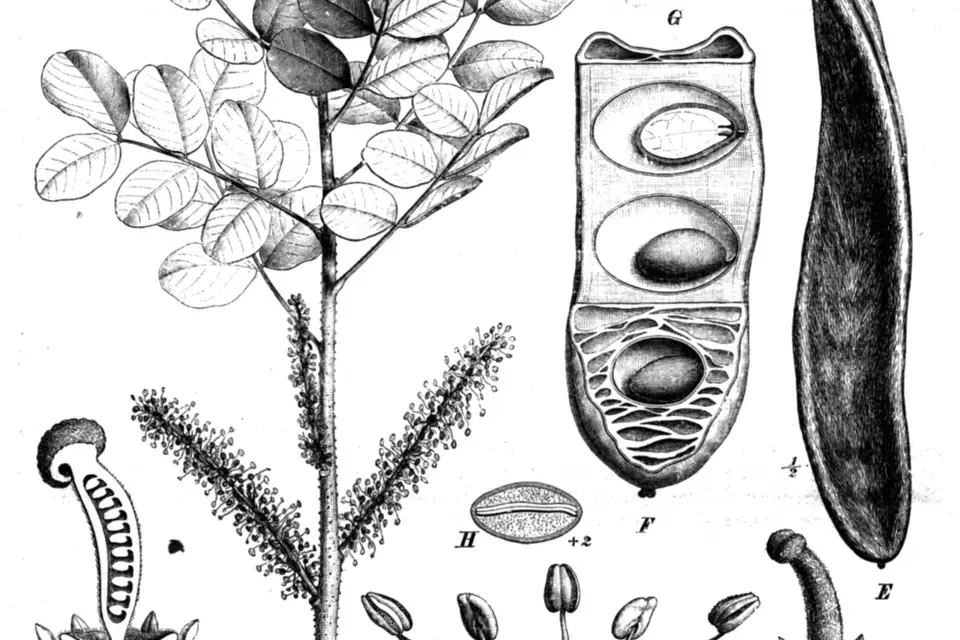 E410 — Locust bean gum What it is. A thickener from carob seeds. What it means. A thickener from carob seeds — plant-based. Where you meet it. Ice cream, sauces, dairy desserts. | ||
| E412 | Guar gum | No concern |
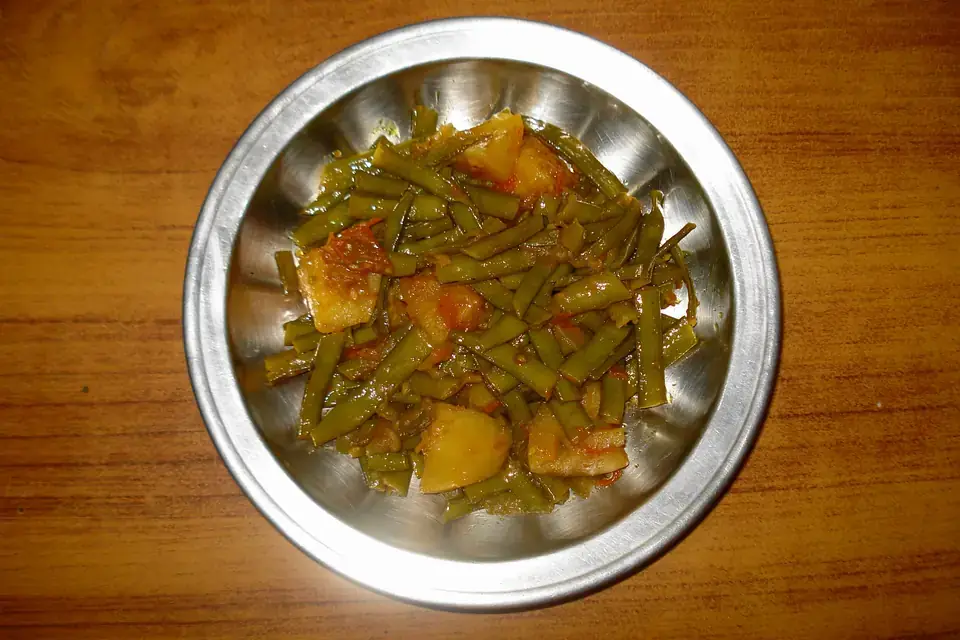 E412 — Guar gum What it is. A thickener ground from guar beans. What it means. A thickener from guar beans — plant-based. Where you meet it. Ice cream, sauces, gluten-free baking, plant drinks. | ||
| E414 | Gum arabic (acacia gum) | No concern |
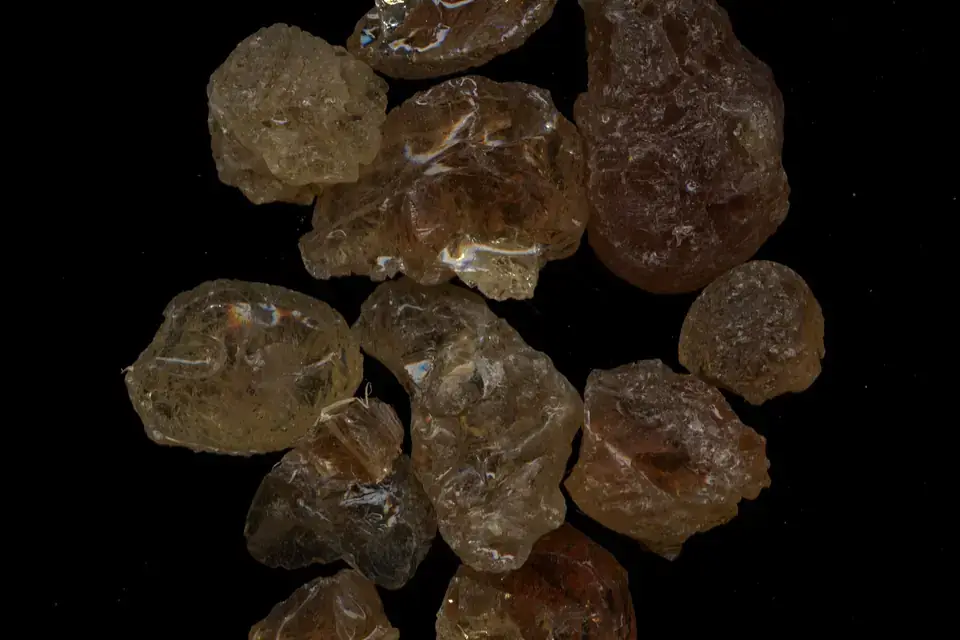 E414 — Gum arabic (acacia gum) What it is. Sap tapped from acacia trees. What it means. A natural gum from acacia trees — plant-based. Where you meet it. Soft drinks, sweets, icing, chewing gum. | ||
| E415 | Xanthan gum | No concern |
E415 — Xanthan gum What it is. A thickener produced by fermentation. What it means. A thickener made by fermentation — fine. Where you meet it. Sauces, dressings, gluten-free baking. | ||
| E420 | Sorbitol | No concern |
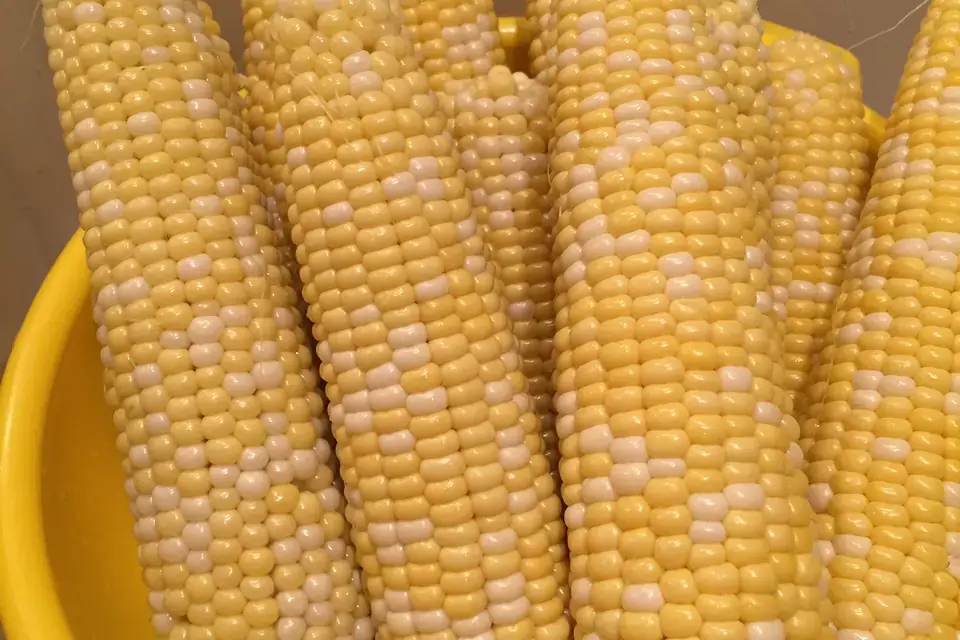 E420 — Sorbitol What it is. A sweetener that also keeps food moist. What it means. A sweetener made from plant glucose. Where you meet it. Sugar-free sweets, chewing gum, baked goods, toothpaste. | ||
| E421 | Mannitol | No concern |
E421 — Mannitol What it is. A sweetener with a cooling taste, used as a dusting powder. What it means. Produced from plant sugars or by synthesis. Where you meet it. Chewing gum, sugar-free sweets, dusting for confectionery. | ||
| E422 | Glycerol (glycerine) | Doubtful |
E422 — Glycerol (glycerine) What it is. A sweet, syrupy liquid that keeps food moist. What it means. E422 can be made from different sources:
The label does not say which, so the source needs confirming. Where you meet it. Chewing gum, cake icing, soft sweets, toothpaste. | ||
| E428 | Gelatine | Not Halal |
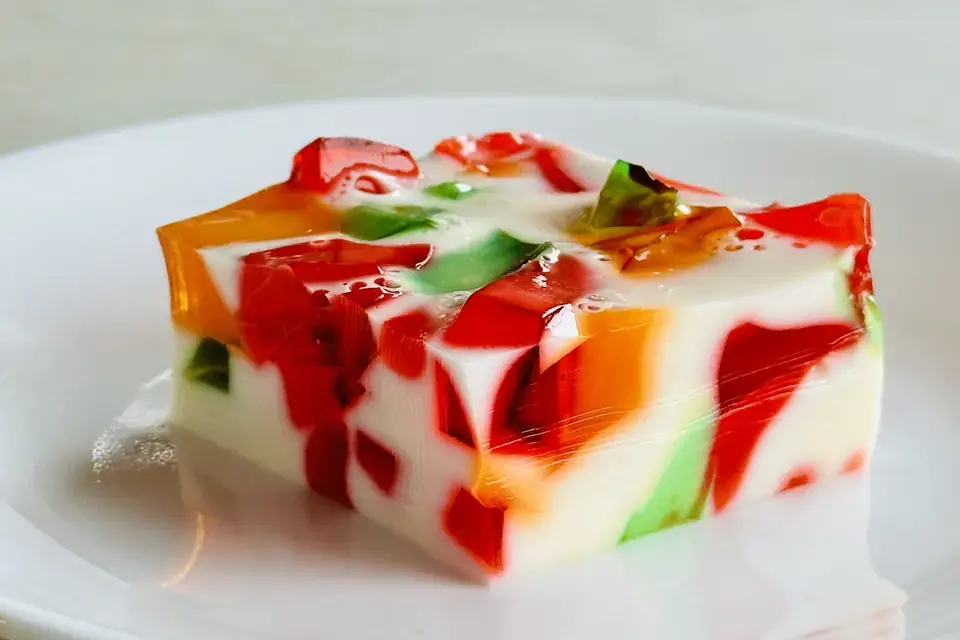 E428 — Gelatine What it is. A gelling protein made by boiling animal skin, bone and connective tissue. What it means. It is animal by definition. Unless the source is verified Halal it cannot be treated as permissible — and pork gelatine is prohibited outright. Even a 'Halal gelatine' claim needs its certificate checked. Where you meet it. Gummy sweets, marshmallows, mousses, capsule shells. | ||
| E431 | Polyoxyethylene stearate | Doubtful |
E431 — Polyoxyethylene stearate What it is. An emulsifier that keeps oil and water mixed. What it means. Built from stearic acid, which can be plant or animal in origin. Where you meet it. Bakery products, coffee whiteners. | ||
| E432 | Polysorbate 20 | Doubtful |
E432 — Polysorbate 20 What it is. An emulsifier and dispersing agent. What it means. The fatty acid it is built from may be animal-derived. Where you meet it. Ice cream, sauces, dressings. | ||
| E433 | Polysorbate 80 | Doubtful |
E433 — Polysorbate 80 What it is. A very common emulsifier. What it means. E433 can be made from different fat sources:
The label does not say which, so the fat source needs confirming. Where you meet it. Ice cream, desserts, drinks. | ||
| E434 | Polysorbate 40 | Doubtful |
E434 — Polysorbate 40 What it is. An emulsifier. What it means. Fatty-acid origin is not declared. Where you meet it. Bakery goods, toppings. | ||
| E435 | Polysorbate 60 | Doubtful |
E435 — Polysorbate 60 What it is. An emulsifier. What it means. E435 can be made from different fat sources:
The label does not say which, so the fat source needs confirming. Where you meet it. Cakes, whipped toppings. | ||
| E436 | Polysorbate 65 | Doubtful |
E436 — Polysorbate 65 What it is. An emulsifier. What it means. Fatty-acid origin is not declared. Where you meet it. Ice cream, baked goods. | ||
| E440 | Pectin | No concern |
E440 — Pectin What it is. A gelling agent from fruit — what sets jam. What it means. A gelling agent from fruit — plant-based. Where you meet it. Jams, fruit fillings, vegan gummies. | ||
| E441 | Gelatine | Not Halal |
E441 — Gelatine What it is. The same gelling protein as E428, under its other number. What it means. Gelatine is treated as prohibited by default, because it is usually:
The label rarely says which. It is fine only when explicitly declared fish, plant, or Halal-slaughtered. Where you meet it. Gummy sweets, marshmallows, desserts, capsules. | ||
| E442 | Ammonium phosphatides | Doubtful |
E442 — Ammonium phosphatides What it is. An emulsifier used almost exclusively in chocolate, to keep it flowing while it is moulded. What it means. E442 can be made from different fat sources:
The label does not say which, so the fat source needs confirming. Where you meet it. Chocolate bars, chocolate coatings, filled confectionery. | ||
| E445 | Glycerol esters of wood rosin | Doubtful |
E445 — Glycerol esters of wood rosin What it is. Keeps citrus oils evenly mixed in drinks. What it means. E445 comes from pine rosin, but its glycerol part can come from different sources:
The label does not say which, so the source needs confirming. Where you meet it. Cloudy citrus soft drinks. | ||
| E450 | Diphosphates | Doubtful |
E450 — Diphosphates What it is. Phosphate salts that make baked goods rise and keep processed meat and cheese from separating. What it means. E450 can be made from different sources:
The label does not say which, so the source needs confirming. Where you meet it. Baking powder, processed cheese, cured meat, instant noodles, cake mixes. | ||
| E451 | Triphosphates | Doubtful |
E451 — Triphosphates What it is. Phosphate salts that hold water in meat and fish products. What it means. E451 can be made from different sources:
The label does not say which, so the source needs confirming. Where you meet it. Cured meat, sausages, frozen fish, processed cheese. | ||
| E452 | Polyphosphates | Doubtful |
E452 — Polyphosphates What it is. Longer chains of the same phosphate salts, used as stabilisers. What it means. E452 can be made from different sources:
The label does not say which, so the source needs confirming. Where you meet it. Processed cheese, meat products, powdered drinks, tinned fish. | ||
| E460 | Cellulose | No concern |
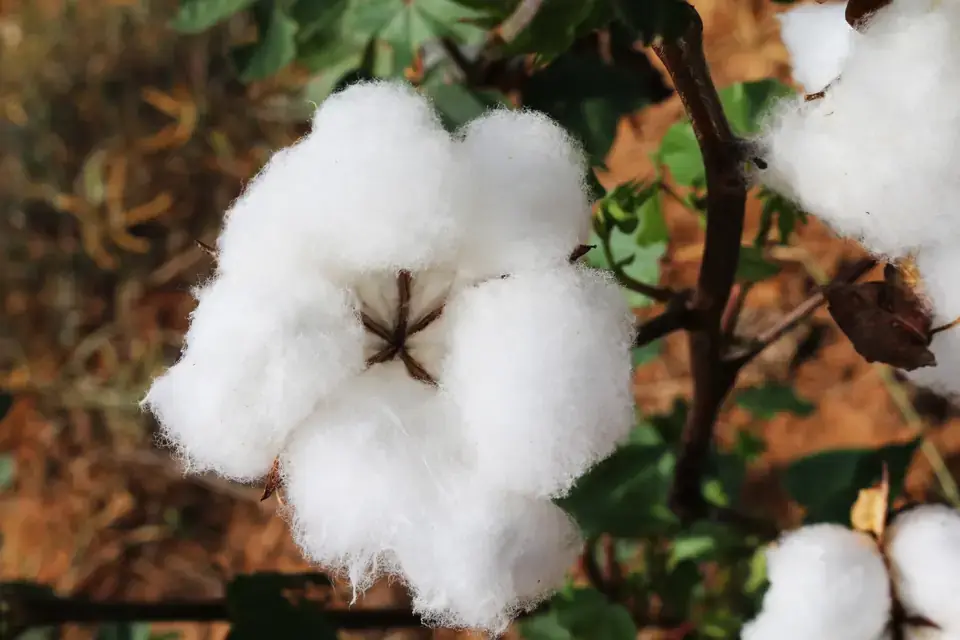 E460 — Cellulose What it is. Purified plant fibre, used to bulk and thicken. What it means. It is wood or cotton fibre, cleaned and ground. Where you meet it. Grated cheese, baked goods, supplements, low-fat products. | ||
| E461 | Methyl cellulose | No concern |
E461 — Methyl cellulose What it is. Plant cellulose modified to gel when heated. What it means. A thickener made from plant cellulose. Where you meet it. Meat-free burgers, sauces, bakery, ice cream. | ||
| E466 | Carboxymethyl cellulose (CMC) | No concern |
E466 — Carboxymethyl cellulose (CMC) What it is. A cellulose gum that thickens and stops ice crystals. What it means. A thickener made from plant cellulose. Where you meet it. Ice cream, drinks, sauces, gluten-free baking. | ||
| E470a | Fatty acid salts (sodium, potassium, calcium) | Doubtful |
E470a — Fatty acid salts (sodium, potassium, calcium) What it is. Anti-caking and emulsifying salts. What it means. Made from fatty acids that may be plant or animal in origin. Where you meet it. Powdered products, sweets, coatings. | ||
| E470b | Magnesium salts of fatty acids | Doubtful |
E470b — Magnesium salts of fatty acids What it is. Anti-caking agent. What it means. Made from fatty acids, which can come from plant or animal fat, and the label does not say which. Where you meet it. Powders, tablets, sweets. | ||
| E471 | Mono- and diglycerides of fatty acids | Doubtful |
E471 — Mono- and diglycerides of fatty acids What it is. The most common emulsifier in packaged food — it keeps fat and water from separating. What it means. E471 can be made from different fat sources:
The label does not say which, so the fat source needs confirming. Where you meet it. Sliced bread, margarine, ice cream, biscuits, cake. | ||
| E472 | Esters of mono- and diglycerides | Doubtful |
E472 — Esters of mono- and diglycerides What it is. A family of emulsifiers built on E471, tuned for different jobs in a bakery. What it means. E472 is made from E471, which can come from different fat sources:
The label does not say which, so the fat source needs confirming. Where you meet it. Bread, cakes, margarine, ice cream, whipped toppings. | ||
| E472a | Acetic acid esters of mono- and diglycerides | Doubtful |
E472a — Acetic acid esters of mono- and diglycerides What it is. An E471 relative, modified for a particular job. What it means. E472a is made from E471, which can come from different fat sources:
The label does not say which, so the fat source needs confirming. Where you meet it. Bakery goods, whipped toppings. | ||
| E472b | Lactic acid esters of mono- and diglycerides | Doubtful |
E472b — Lactic acid esters of mono- and diglycerides What it is. An E471 relative. What it means. E472b is made from E471, which can come from different fat sources:
The label does not say which, so the fat source needs confirming. Where you meet it. Cake mixes, desserts, toppings. | ||
| E472c | Citric acid esters of mono- and diglycerides | Doubtful |
E472c — Citric acid esters of mono- and diglycerides What it is. An E471 relative. What it means. E472c is made from E471, which can come from different fat sources:
The label does not say which, so the fat source needs confirming. Where you meet it. Margarine, sausages, sauces. | ||
| E472d | Tartaric acid esters of mono- and diglycerides | Doubtful |
E472d — Tartaric acid esters of mono- and diglycerides What it is. An E472 variant made with tartaric acid, used to strengthen dough. What it means. Two open questions in one additive: the fatty acid can be plant or animal, and the tartaric acid is usually recovered from wine sediment. Neither is declared. Where you meet it. Bread, rolls, frozen dough, cake mixes. | ||
| E472e | DATEM | Doubtful |
E472e — DATEM What it is. A dough conditioner that helps bread rise better. What it means. E472e is made from E471, which can come from different fat sources:
The label does not say which, so the fat source needs confirming. Where you meet it. Packaged bread and rolls, pizza bases. | ||
| E472f | Mixed tartaric and acetic acid esters of mono- and diglycerides | Doubtful |
E472f — Mixed tartaric and acetic acid esters of mono- and diglycerides What it is. A combined E472 ester used in industrial baking. What it means. It carries both questions of E472d at once: the fat source is undeclared, and the tartaric acid is typically a wine by-product. Where you meet it. Industrial bread and rolls, packaged baked goods. | ||
| E473 | Sucrose esters of fatty acids | Doubtful |
E473 — Sucrose esters of fatty acids What it is. Sugar joined to fatty acids, used as an emulsifier. What it means. The fatty acid may be animal-derived. Where you meet it. Bakery goods, coffee drinks, fruit coatings. | ||
| E474 | Sucroglycerides | Doubtful |
E474 — Sucroglycerides What it is. A sugar-and-fat emulsifier. What it means. Made from sugar and fatty acids; the fatty acids can come from plant or animal fat, and the label does not say which. Where you meet it. Dairy desserts, bakery. | ||
| E475 | Polyglycerol esters of fatty acids | Doubtful |
E475 — Polyglycerol esters of fatty acids What it is. An emulsifier for fatty products. What it means. E475 is made from fatty acids, which can come from different sources:
The label does not say which, so the source needs confirming. Where you meet it. Cakes, biscuits, whipped cream. | ||
| E476 | Polyglycerol polyricinoleate (PGPR) | Doubtful |
E476 — Polyglycerol polyricinoleate (PGPR) What it is. An emulsifier that makes chocolate flow smoothly with less cocoa butter. What it means. E476 is made from castor oil (plant), but its glycerol part can come from different fat sources:
Cleared when a plant source is declared or the product carries a vegan mark; otherwise the source needs confirming. Where you meet it. Chocolate, chocolate coatings, spreads. | ||
| E477 | Propylene glycol esters of fatty acids | Doubtful |
E477 — Propylene glycol esters of fatty acids What it is. An emulsifier used in aerated products. What it means. Fatty-acid source undeclared. Where you meet it. Whipped toppings, cake mixes. | ||
| E479b | Thermally oxidised soya bean oil with mono- and diglycerides | Doubtful |
E479b — Thermally oxidised soya bean oil with mono- and diglycerides What it is. An anti-sticking emulsifier. What it means. It contains mono- and diglycerides, so the E471 question comes with it. Where you meet it. Frying fats, industrial baking. | ||
| E481 | Sodium stearoyl-2-lactylate | Doubtful |
E481 — Sodium stearoyl-2-lactylate What it is. A dough strengthener. What it means. E481 can be made from different fat sources:
The label does not say which, so the fat source needs confirming. Where you meet it. Packaged bread, buns, bakery mixes. | ||
| E482 | Calcium stearoyl-2-lactylate | Doubtful |
E482 — Calcium stearoyl-2-lactylate What it is. A dough strengthener. What it means. Built on stearic acid, which can come from plant or animal fat, and the label does not say which. Where you meet it. Bread, cake, whipped toppings. | ||
| E483 | Stearyl tartrate | Doubtful |
E483 — Stearyl tartrate What it is. A flour treatment agent. What it means. Built from stearic acid of undeclared origin. Where you meet it. Bakery flour mixes. | ||
| E491 | Sorbitan monostearate | Doubtful |
E491 — Sorbitan monostearate What it is. An emulsifier and anti-crystallising agent. What it means. Stearate can come from plant or animal fat. Where you meet it. Chocolate coatings, cake icing, yeast. | ||
| E492 | Sorbitan tristearate | Doubtful |
E492 — Sorbitan tristearate What it is. Keeps chocolate glossy and stops fat bloom. What it means. E492 can be made from different fat sources:
The label does not say which, so the fat source needs confirming. Where you meet it. Chocolate, confectionery coatings. | ||
| E493 | Sorbitan monolaurate | Doubtful |
E493 — Sorbitan monolaurate What it is. An emulsifier. What it means. Fatty-acid origin undeclared. Where you meet it. Bakery, beverages. | ||
| E494 | Sorbitan monooleate | Doubtful |
E494 — Sorbitan monooleate What it is. An emulsifier that keeps oil and water mixed in toppings and icings. What it means. It is made from oleic acid, which is usually pressed from plants but can be rendered from animal fat. The label does not distinguish them. Where you meet it. Cake icing, whipped toppings, coffee whiteners, dessert mixes. | ||
| E495 | Sorbitan monopalmitate | Doubtful |
E495 — Sorbitan monopalmitate What it is. An emulsifier. What it means. Fatty-acid origin undeclared. Where you meet it. Cake mixes, icings. | ||
| E500 | Sodium carbonates | No concern |
E500 — Sodium carbonates What it is. Raising agents and acidity regulators. What it means. A mineral salt used as a raising agent. No animal source is involved. Where you meet it. Baked goods, noodles. | ||
| E501 | Potassium carbonates | No concern |
E501 — Potassium carbonates What it is. Alkaline salts that raise dough and soften water. What it means. A mineral salt, mined or made synthetically. No animal source is involved. Where you meet it. Gingerbread, noodles, cocoa processing. | ||
| E503 | Ammonium carbonates | No concern |
E503 — Ammonium carbonates What it is. The traditional baker's ammonia for flat biscuits. What it means. Baker's ammonia, made synthetically from ammonia and carbon dioxide. No animal source is involved. Where you meet it. Biscuits, crackers, flat baked goods. | ||
| E504 | Magnesium carbonates | No concern |
E504 — Magnesium carbonates What it is. An anticaking and alkalising mineral salt. What it means. Mined as magnesite or precipitated chemically. Where you meet it. Powdered foods, table salt, cocoa. | ||
| E509 | Calcium chloride | No concern |
E509 — Calcium chloride What it is. A mineral salt that keeps vegetables crisp and helps cheese set. What it means. A mineral salt — fine. Where you meet it. Tinned vegetables, pickles, cheese, bottled water. | ||
| E524 | Sodium hydroxide | No concern |
E524 — Sodium hydroxide What it is. A strong alkali used to adjust acidity and to treat pretzels and olives. What it means. A processing alkali. No animal source is involved. Where you meet it. Pretzels, olives, cocoa processing, peeled fruit. | ||
| E542 | Bone phosphate | Doubtful |
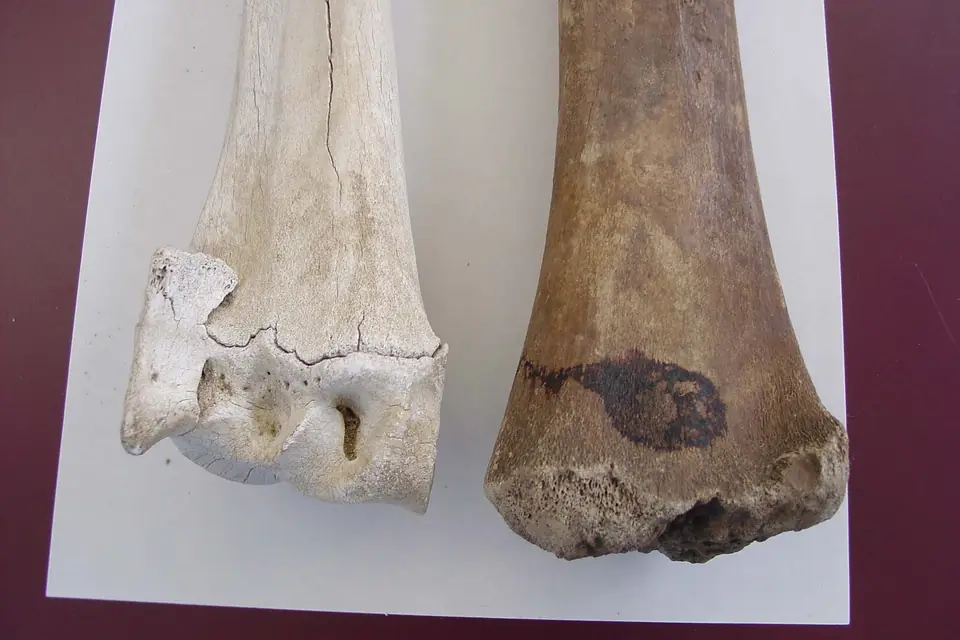 E542 — Bone phosphate What it is. An anti-caking agent made from animal bone. What it means. E542 is made from animal bone. Two things still need confirming:
Where you meet it. Some supplements, tablets and powdered products. | ||
| E551 | Silicon dioxide | No concern |
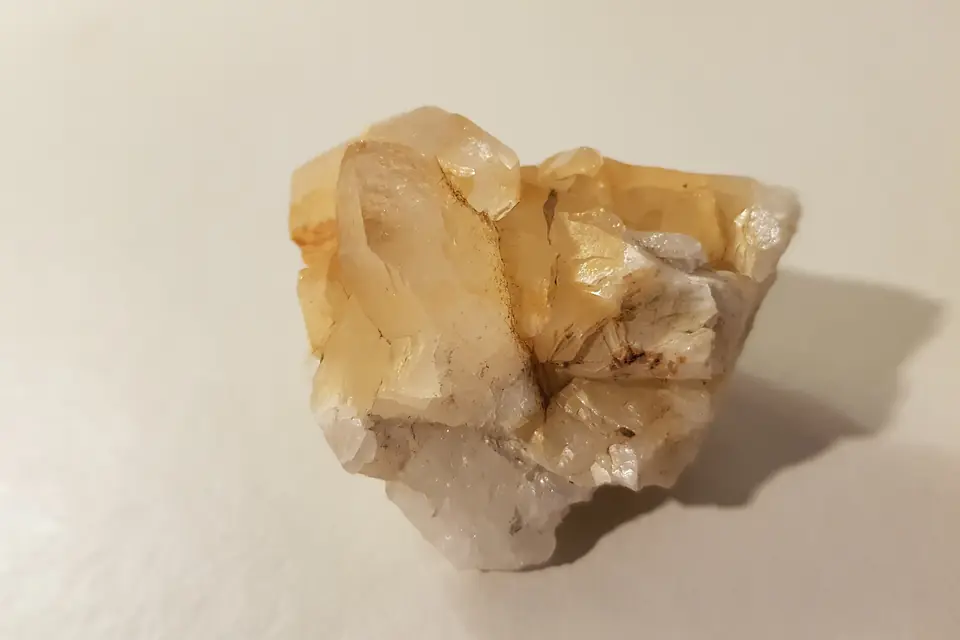 E551 — Silicon dioxide What it is. Finely ground silica, essentially purified sand. What it means. Basically fine sand, used to stop powders clumping — mineral, fine. Where you meet it. Powdered drinks, spices, supplements, table salt. | ||
| E570 | Fatty acids (stearic acid) | Doubtful |
E570 — Fatty acids (stearic acid) What it is. Used as an anti-caking agent and coating. What it means. E570 is fatty acids, which can come from different sources:
The label does not say which, so the source needs confirming. Where you meet it. Coated tablets, sweets, some fat blends. | ||
| E572 | Magnesium stearate | Doubtful |
E572 — Magnesium stearate What it is. A fine white powder that stops ingredients sticking to machinery. What it means. E572 is made from stearic acid, which can come from different fat sources:
The label does not say which, so the source needs confirming. Where you meet it. Supplement and medicine tablets, powdered drink mixes, sweets. | ||
| E575 | Glucono-delta-lactone | No concern |
E575 — Glucono-delta-lactone What it is. A slow-acting acidifier that sets tofu and cures sausage. What it means. An acidifier made by fermentation — fine. Where you meet it. Tofu, cured sausage, baking powder, dairy desserts. | ||
| E621 | Monosodium glutamate (MSG) | Doubtful |
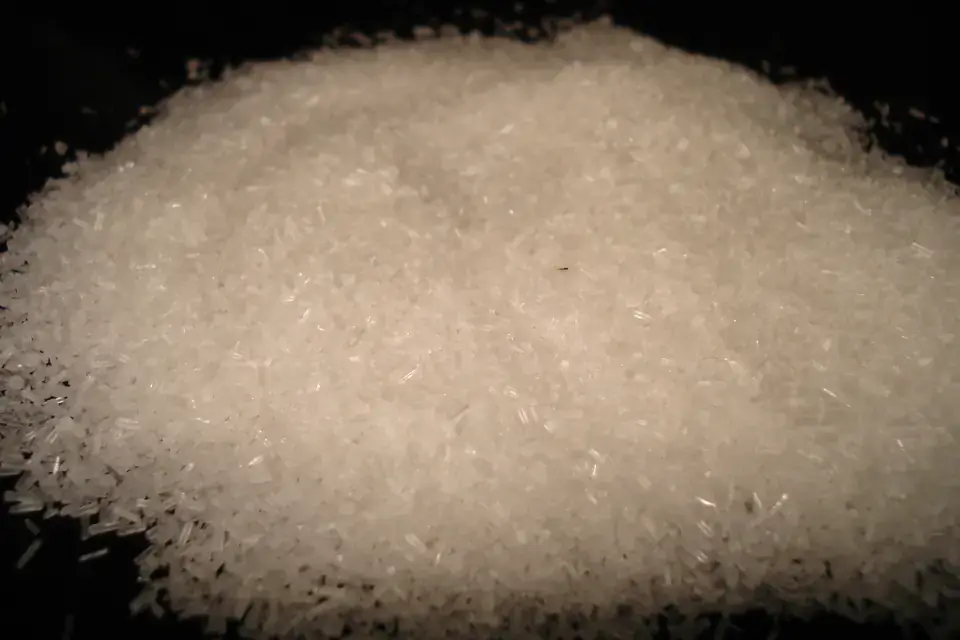 E621 — Monosodium glutamate (MSG) What it is. The savoury flavour enhancer behind crisps, stock cubes and instant noodles. What it means. Commercial MSG is made by fermentation on a plant substrate and is Halal. The catch is that the substrate is not named on the label. Cleared by a Halal mark or a confirmation from the brand; until then the source is unconfirmed. IFANCA lists E621 as questionable (Q2). Where you meet it. Crisps, instant noodles, stock cubes, sauces, ready meals. | ||
| E627 | Disodium guanylate | Doubtful |
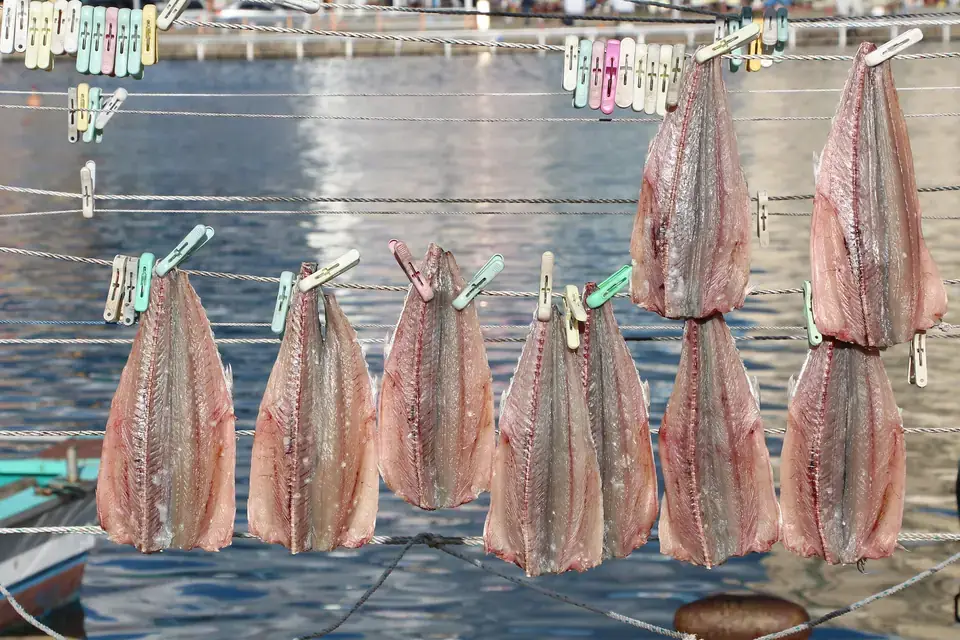 E627 — Disodium guanylate What it is. A flavour enhancer that makes savoury food taste fuller. What it means. E627 can be made from different sources:
The label does not say which, so the source needs confirming. Where you meet it. Instant noodles, crisps, stock cubes, seasoning. | ||
| E631 | Disodium inosinate | Doubtful |
E631 — Disodium inosinate What it is. A flavour enhancer, usually paired with E627. What it means. E631 can be made from different sources:
The label does not say which, so the source needs confirming. Where you meet it. Instant noodles, crisps, savoury snacks. | ||
| E635 | Disodium ribonucleotides | Doubtful |
E635 — Disodium ribonucleotides What it is. A blend of E627 and E631. What it means. E635 is a blend of E627 and E631, so it carries the same question. They can come from:
The label does not say which, so the source needs confirming. Where you meet it. Instant noodles, seasonings, savoury snacks. | ||
| E640 | Glycine and its sodium salt | Doubtful |
E640 — Glycine and its sodium salt What it is. An amino acid used as a flavour modifier. What it means. E640 can be made from different sources:
The label does not say which, so the source needs confirming. Where you meet it. Seasonings, some processed meat. | ||
| E901 | Beeswax | No concern |
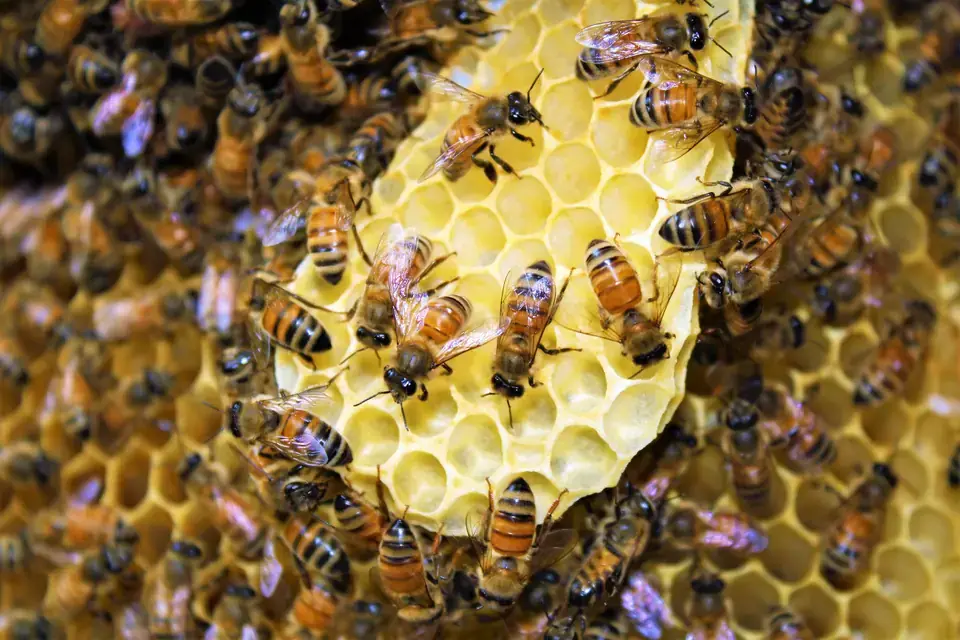 E901 — Beeswax What it is. The wax bees build their comb from, used as a glaze. What it means. Wax from bees, used as a glaze — generally accepted as Halal. Where you meet it. Sweet coatings, fruit glazes, chewing gum, supplements. | ||
| E903 | Carnauba wax | No concern |
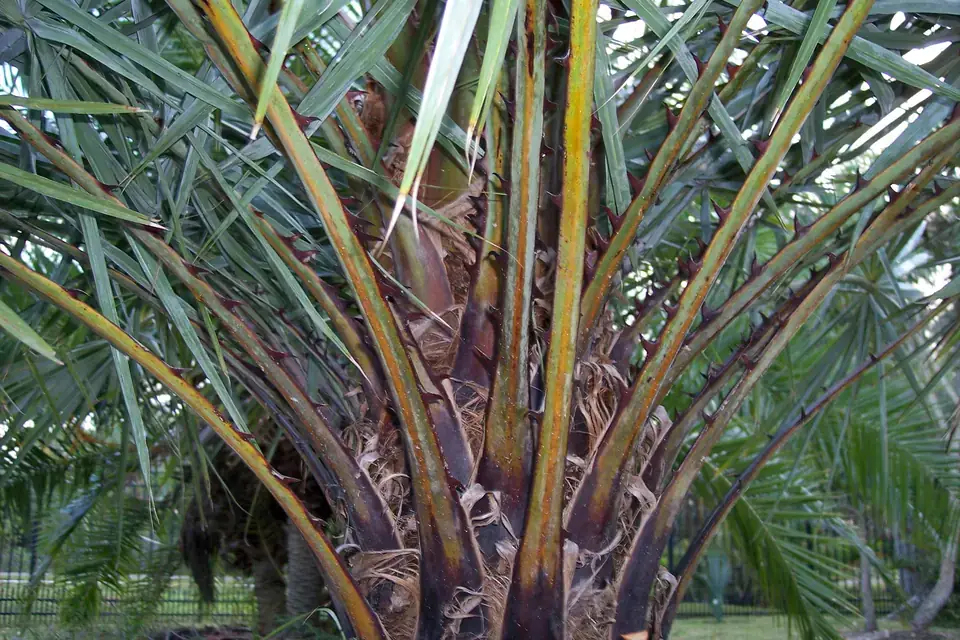 E903 — Carnauba wax What it is. A hard plant wax used for shine. What it means. A plant wax from the carnauba palm. Where you meet it. Chocolate lentils, fruit coatings, chewing gum. | ||
| E904 | Shellac | Doubtful |
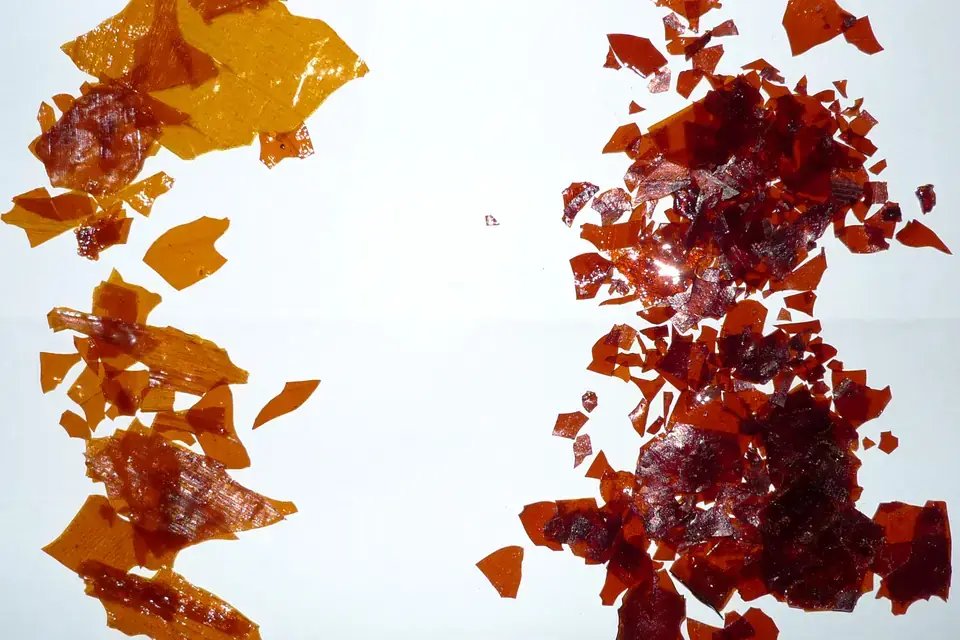 E904 — Shellac What it is. A natural resin secreted by the lac insect, used to make things shine. What it means. A shiny glaze made from resin secreted by lac insects.
Flagged so you can apply your own position. Where you meet it. Shiny chocolate lentils, glazed fruit, pill coatings. | ||
| E913 | Lanolin | Doubtful |
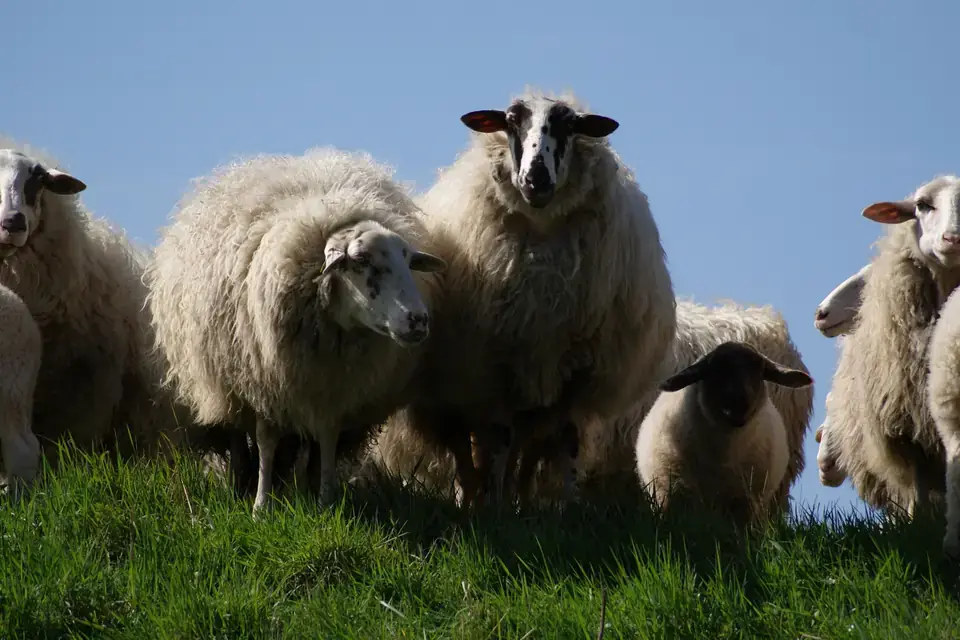 E913 — Lanolin What it is. A wax from sheep's wool. What it means. It is animal-derived, and how it was obtained and processed is not declared. Where you meet it. Chewing gum base, some vitamin D3, cosmetics. | ||
| E920 | L-cysteine | Doubtful |
 E920 — L-cysteine What it is. A dough conditioner that softens bread. What it means. E920 can be made from different sources:
The label does not say which, so the source needs confirming. Where you meet it. Packaged bread, buns, bakery improvers. | ||
| E921 | L-cystine | Doubtful |
E921 — L-cystine What it is. Closely related to E920, used in bakery. What it means. Like E920, it has historically been made from feathers, hair or bristles as well as synthetically, and the source is not declared. Where you meet it. Bread and dough improvers. | ||
| E950 | Acesulfame K | No concern |
E950 — Acesulfame K What it is. An intense sweetener, roughly 200 times sweeter than sugar. What it means. A synthetic sweetener. No animal source is involved. Where you meet it. Diet drinks, sugar-free desserts, chewing gum, tabletop sweeteners. | ||
| E951 | Aspartame | No concern |
E951 — Aspartame What it is. An intense sweetener built from two amino acids. What it means. Both amino acids are produced by fermentation and synthesis, not taken from animals. Where you meet it. Diet drinks, sugar-free yoghurt, chewing gum, tabletop sweeteners. | ||
| E955 | Sucralose | No concern |
E955 — Sucralose What it is. A sweetener made by modifying ordinary sugar. What it means. Sugar cane or beet sugar, chemically altered so the body does not absorb it. Where you meet it. Diet drinks, baked goods, sugar-free sweets, sauces. | ||
| E960 | Steviol glycosides | No concern |
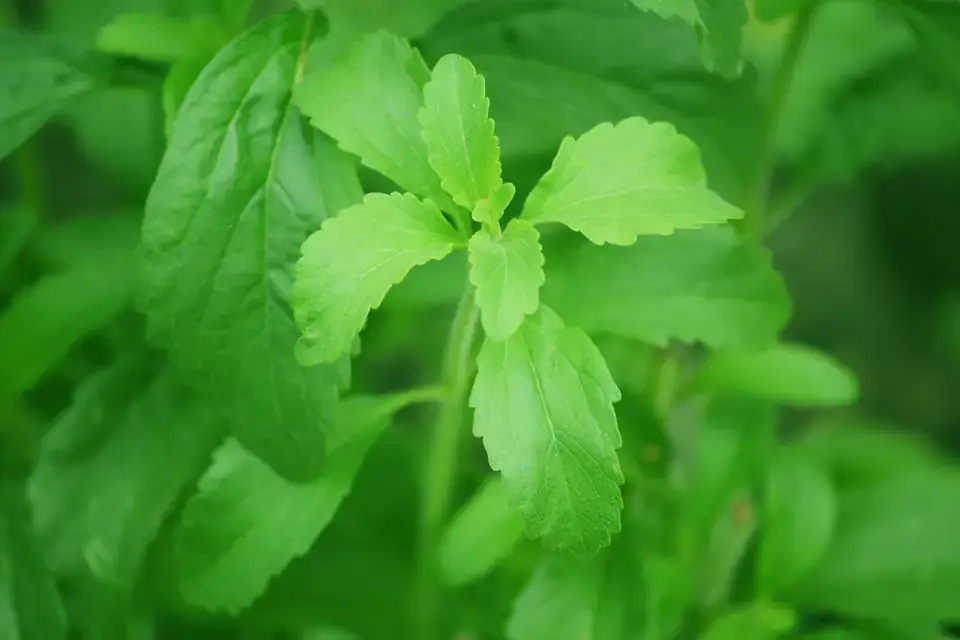 E960 — Steviol glycosides What it is. The sweetness extracted from stevia leaves. What it means. A sweetener extracted from the leaves of the stevia plant. Plant-based. Where you meet it. Soft drinks, yoghurts, tabletop sweeteners, sugar-free sweets. | ||
| E965 | Maltitol | No concern |
E965 — Maltitol What it is. A bulk sweetener that behaves like sugar in cooking. What it means. Made from plant starch, usually maize or wheat. Where you meet it. Sugar-free chocolate, biscuits, ice cream, sweets. | ||
| E967 | Xylitol | No concern |
 E967 — Xylitol What it is. A sweetener with a strong cooling effect, known from dental gum. What it means. Produced from birch or maize fibre. Where you meet it. Chewing gum, mints, sugar-free sweets, toothpaste. | ||
| E1105 | Lysozyme | No concern |
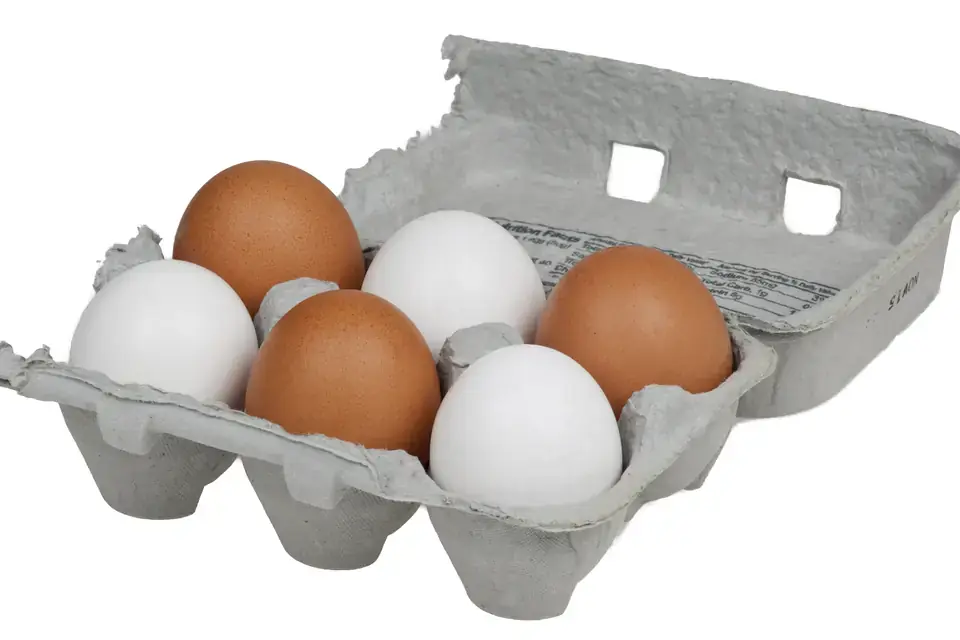 E1105 — Lysozyme What it is. An enzyme that stops late fermentation in cheese and wine. What it means. An enzyme from egg white — fine (and a sign that egg is present). Where you meet it. Hard cheese, wine-style drinks. | ||
| E1422 | Acetylated distarch adipate | No concern |
E1422 — Acetylated distarch adipate What it is. A modified starch that survives freezing and reheating. What it means. A modified plant starch. Where you meet it. Ready meals, tinned soup, sauces, frozen food. | ||
| E1442 | Hydroxypropyl distarch phosphate | No concern |
E1442 — Hydroxypropyl distarch phosphate What it is. Another modified plant starch, stable in acid. What it means. A modified plant starch. Where you meet it. Fruit fillings, dressings, instant desserts, ready meals. | ||
| E1518 | Glyceryl triacetate (triacetin) | Doubtful |
E1518 — Glyceryl triacetate (triacetin) What it is. A carrier and humectant. What it means. The glycerol part can be animal-derived. Where you meet it. Flavourings, chewing gum. | ||
No match — try the number (for example "E471") or the common name ("gelatine", "emulsifier").
How to read an ingredient list yourself
Three habits catch most of what matters. First, an additive can appear as a number or as a name — "E471" and "mono- and diglycerides of fatty acids" are the same thing, and a manufacturer may print either. Second, the additives worth watching are rarely the strange-sounding ones: the emulsifier in bread, the shine on sweets and the flavour enhancer in crisps are the usual culprits. Third, "vegetarian" is not the same as Halal — though a credible vegan claim does rule out animal-derived additives.
Ingredients that carry no E-number
Some of the most consequential things in a list have no number at all. Gelatine is often written out in words. Rennet in cheese is animal-derived unless it says microbial or vegetarian. Alcohol can appear as an ingredient or hide as a carrier inside "natural flavouring" — and that phrase covers a great deal. A number-by-number check will never catch those; reading the whole list will.